Construction comes before fiber
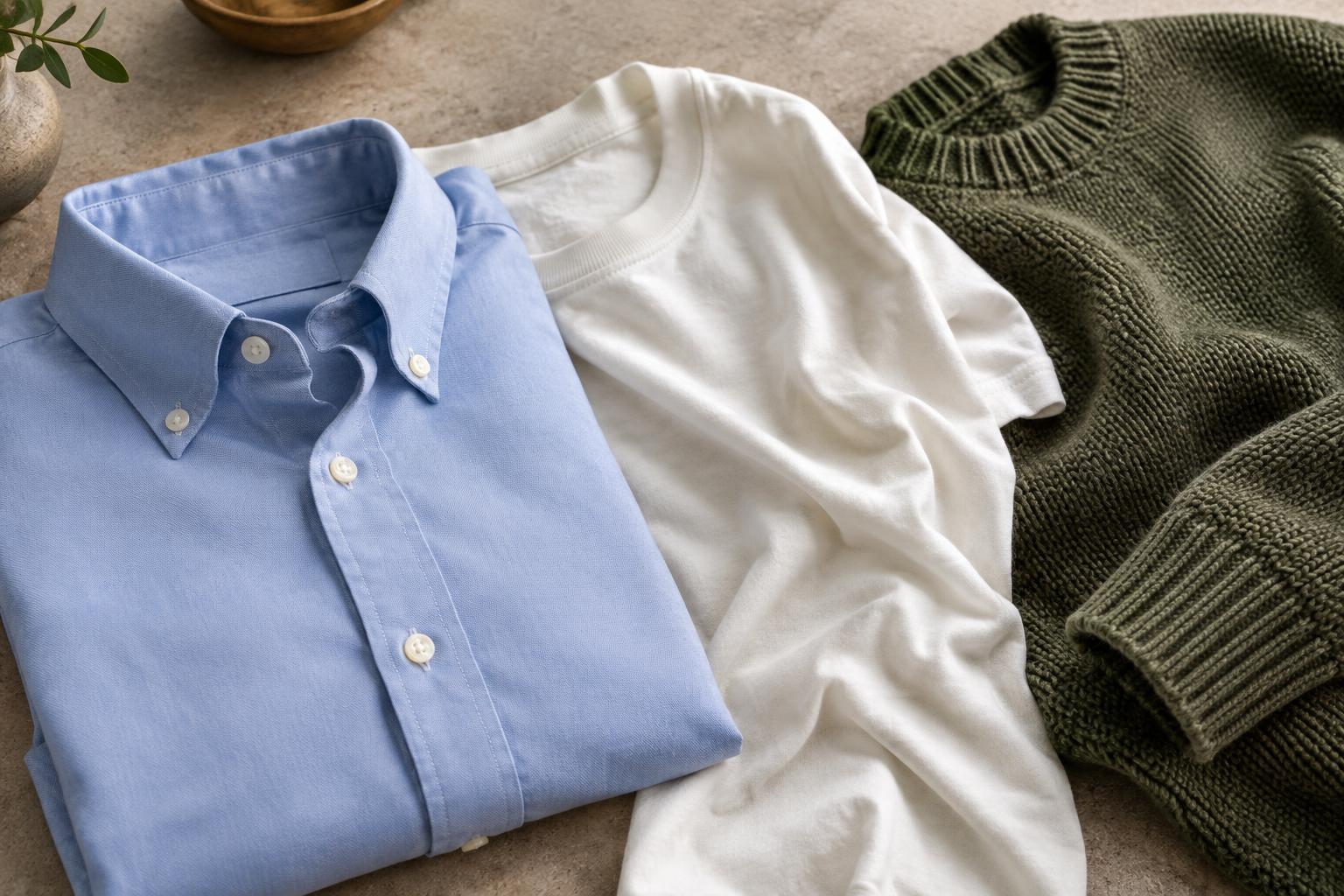
A fabric label might tell you a garment is cotton, wool or polyester, but fiber content is only part of the story. Construction describes how the yarns are arranged. In a woven fabric, two sets of yarns cross over and under one another. In a knitted fabric, yarns form connected loops. Those different structures help explain why a cotton dress shirt feels unlike a cotton T-shirt, even before you consider the weight or finish of either fabric.
Neither construction is automatically better. Woven fabrics often provide a crisp surface and stable shape, while knits often feel flexible and comfortable against the body. Yarn quality, fabric density, garment design and care also affect how long either one lasts. Knowing the basic distinction gives you a useful starting point when shopping, but the garment itself still deserves a close look.
Why knits usually stretch more
The loops in a knit can change shape when you pull the fabric, allowing it to extend and then recover. That is why a jersey T-shirt can move easily across your shoulders and a ribbed cuff can fit close to your wrist. Different knits behave differently: a dense sweatshirt fabric may feel fairly firm, while a loose sweater knit can stretch readily and lose its shape if handled carelessly.
A conventional woven fabric has less give because its crossing yarns have limited room to move along their length. It may still flex across the diagonal, known as the bias, and a weave with added elastane can provide noticeable stretch. Check the composition label rather than assuming that every stretchy garment is knitted. When trying on trousers or a shirt, move as you normally would; adequate room in the cut matters as much as stretch in the cloth.
Durability depends on the kind of wear
A tightly made woven fabric often holds a clean outline through repeated use. That can be useful for chinos, structured jackets and button-front shirts. But a woven cloth is not immune to damage: thin fabric can wear through at high-friction areas, seams can strain in a tight garment, and some weaves snag. A sturdy knit can outlast a delicate woven fabric, so construction alone is not a reliable ranking of toughness.
Knits trade some structural stability for flexibility. Their surface may pill where it rubs against a bag strap, desk edge or another layer, and an exposed loop can catch on a rough surface. Loose knits may also grow longer at the shoulders or hem when stored badly. For either type, inspect areas likely to see wear: seams should look secure, the fabric should not seem excessively thin for its purpose, and the garment should return reasonably well to shape after a gentle stretch.
Choose the construction for the job
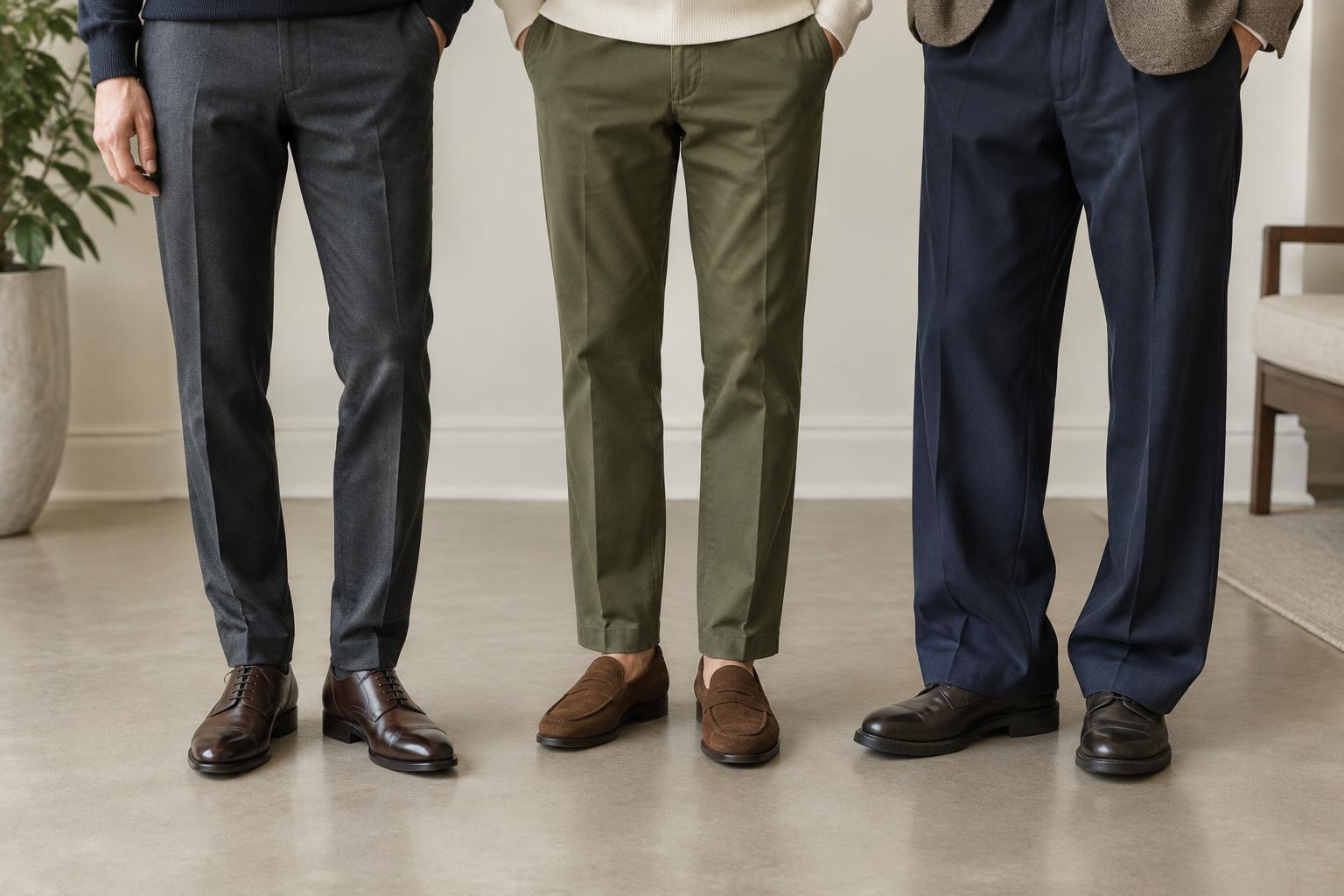
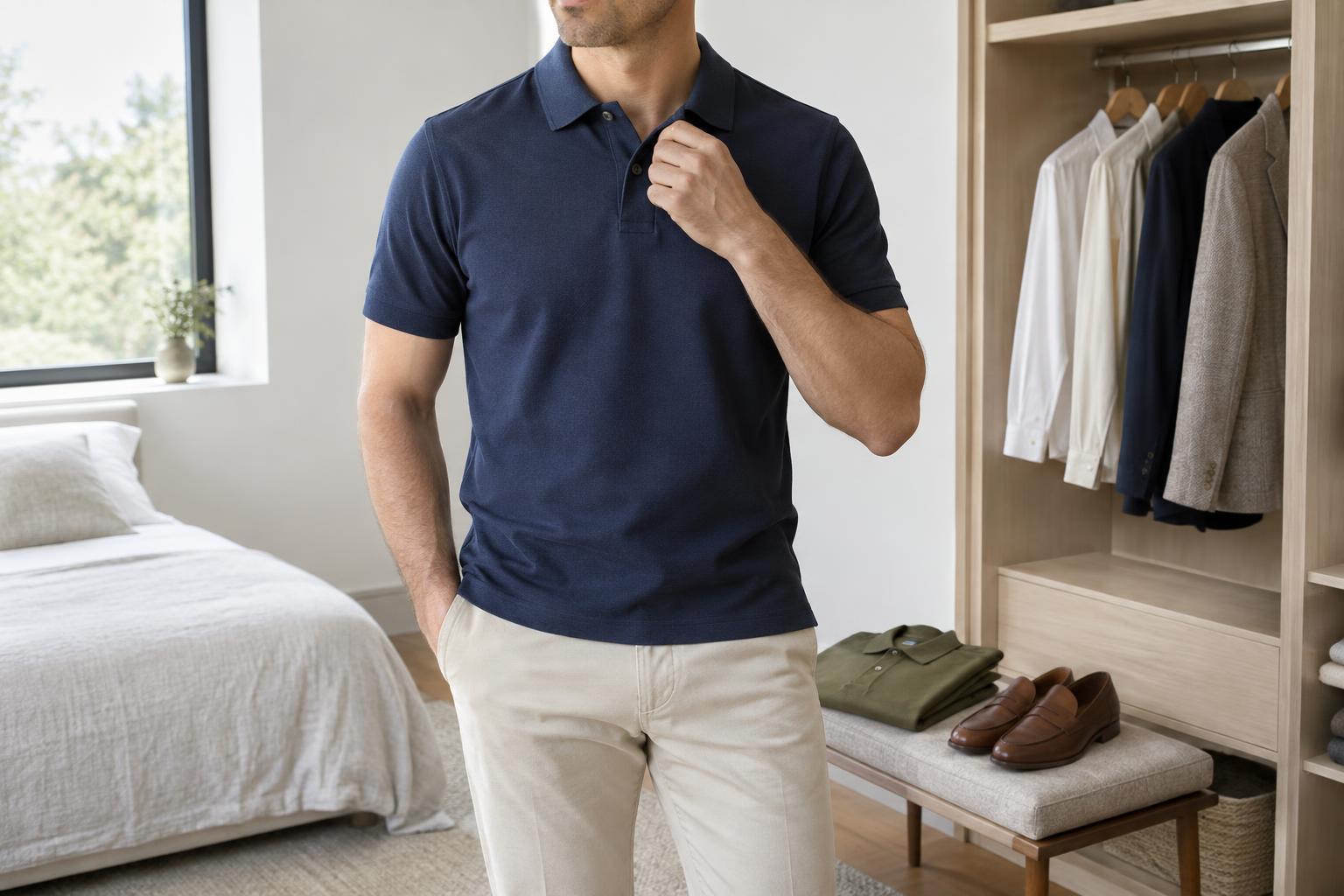
For a sharp work outfit, woven trousers and a woven shirt make it easier to maintain a defined line. For casual days, a knitted polo or T-shirt offers movement without requiring a roomy cut. A sweater knit adds texture over a shirt, while a woven overshirt gives an outfit more structure. These are useful tendencies, not dress rules: a soft woven shirt can feel relaxed, and a fine-gauge knit can look polished.
Pay attention to fit where movement is most demanding. A woven shirt that pulls across the upper back may need a different cut or size; relying on a small amount of stretch to compensate for a poor fit can put stress on seams. With knitwear, check that cuffs and hems sit comfortably without being stretched tight. If you travel frequently, consider how much a garment creases, how it packs and whether it regains its shape after being worn.
Care for the shape you bought
Start with the garment's care label, since fiber and finishes can change what is safe. Wash when needed rather than automatically after every brief wear, and treat stains promptly according to the fabric's instructions. Avoid overloading the machine: garments need room to move, and fasteners or rough items can catch on more delicate surfaces. Turning susceptible pieces inside out may help reduce visible surface friction during washing.
Knits, especially heavier sweaters, are generally better folded than hung for long periods; hanging can allow their weight to pull at the shoulders. If the label permits air-drying, reshape a knit gently while damp and support it rather than suspending it by one edge. Woven shirts and trousers can usually be hung to preserve their lines, though they may need pressing to look crisp. Simple storage and care choices help both constructions keep their intended fit.