Start with the workplace, not a fixed dress code
A good interview outfit is appropriate for the setting, comfortable enough to wear through a conversation and neat in its details. That does not always mean a suit. A traditional office and a casual studio may have different expectations, even when the roles sound similar. If a recruiter or hiring contact gives you a dress code, use it as your starting point. Otherwise, consider the type of work, whether you will meet clients and how people appear in any workplace photos available to you. Photos can offer clues, but they may show special events rather than ordinary workdays.
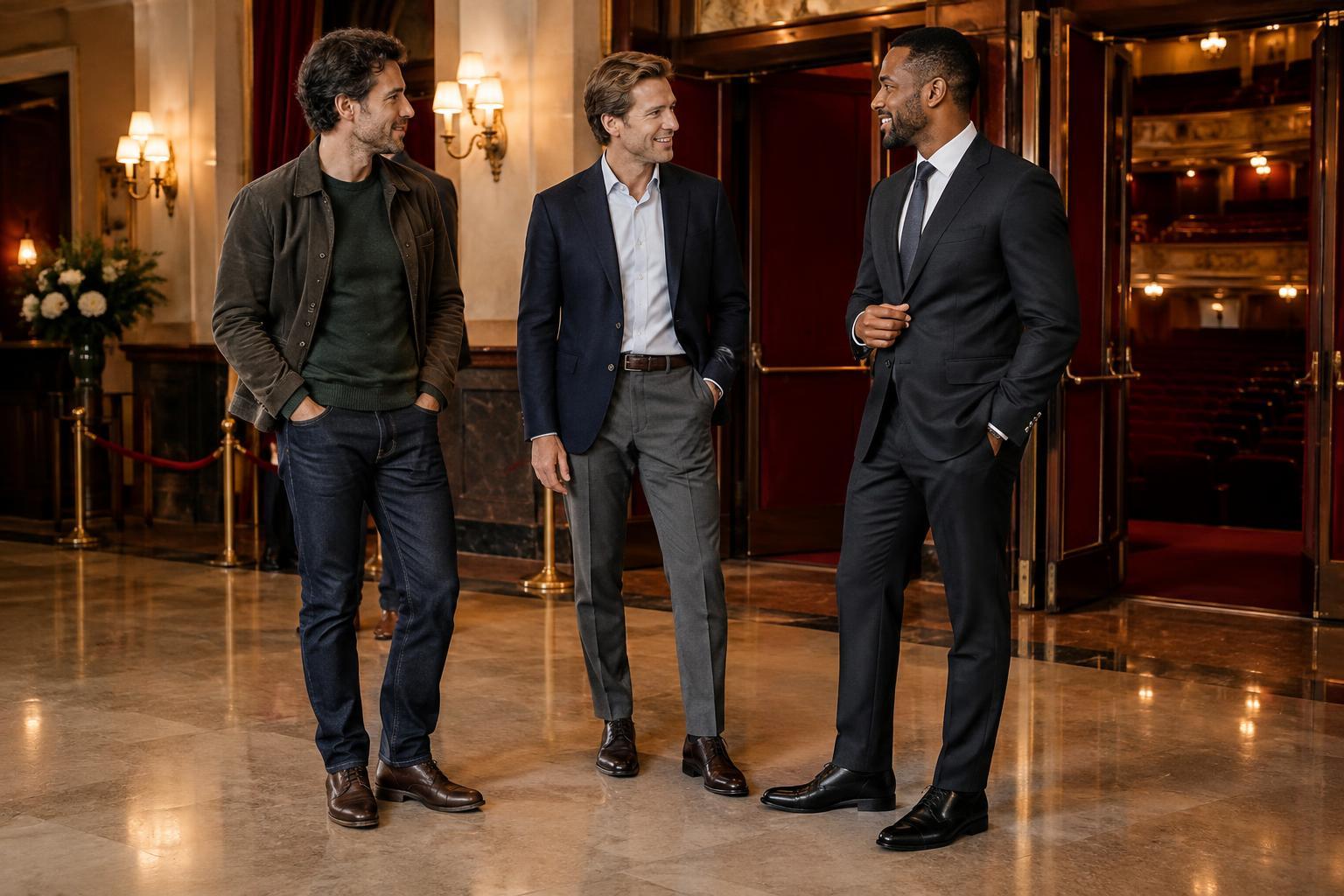
When you are unsure, aim for a slightly more polished version of what you expect employees to wear. This is easier to adjust than an outfit built around a single rigid rule. A jacket can make simple separates look more formal; leaving off a tie can soften a suit. The goal is to show that you have thought about the occasion while still looking like yourself.
For a formal workplace, keep the outfit restrained
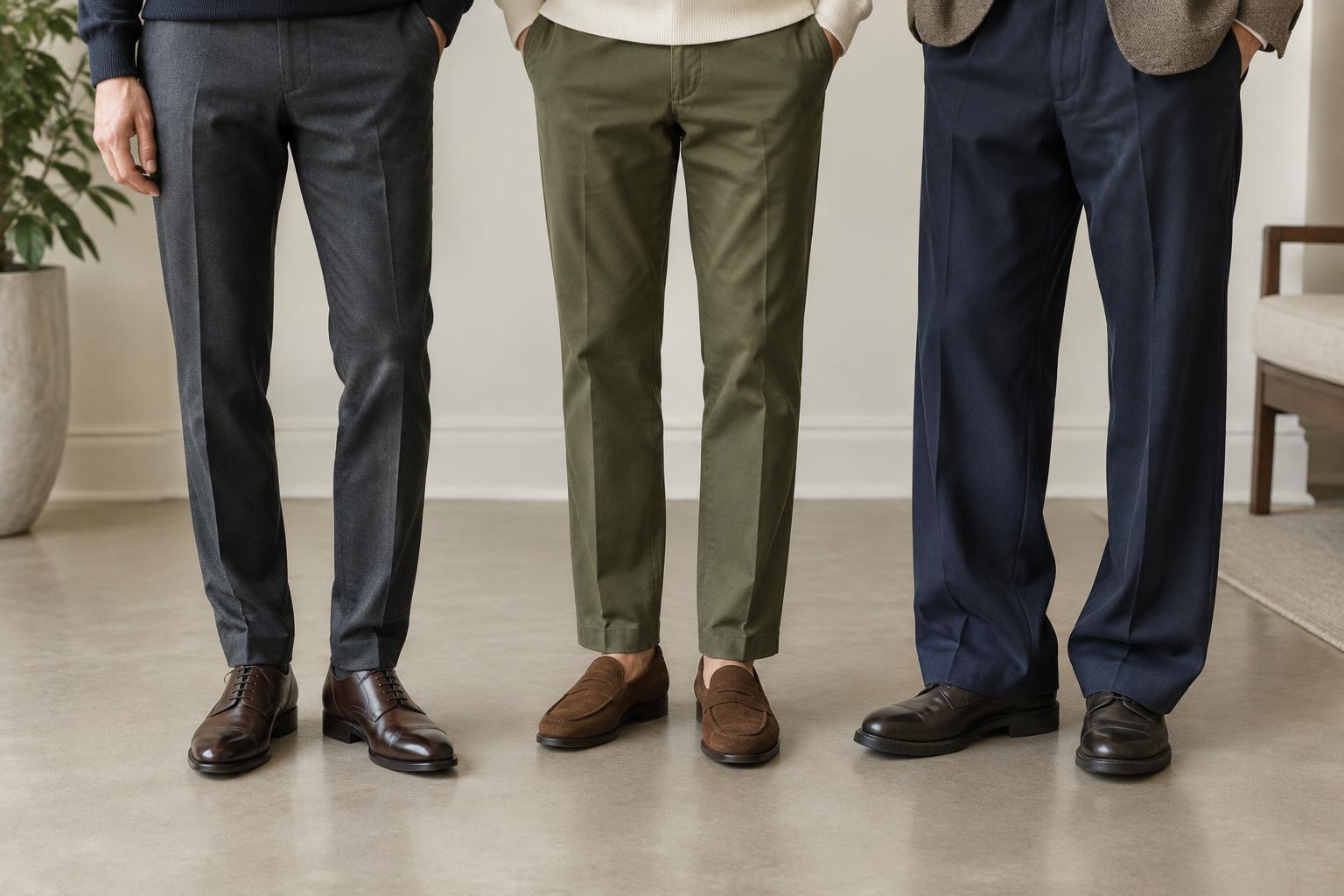
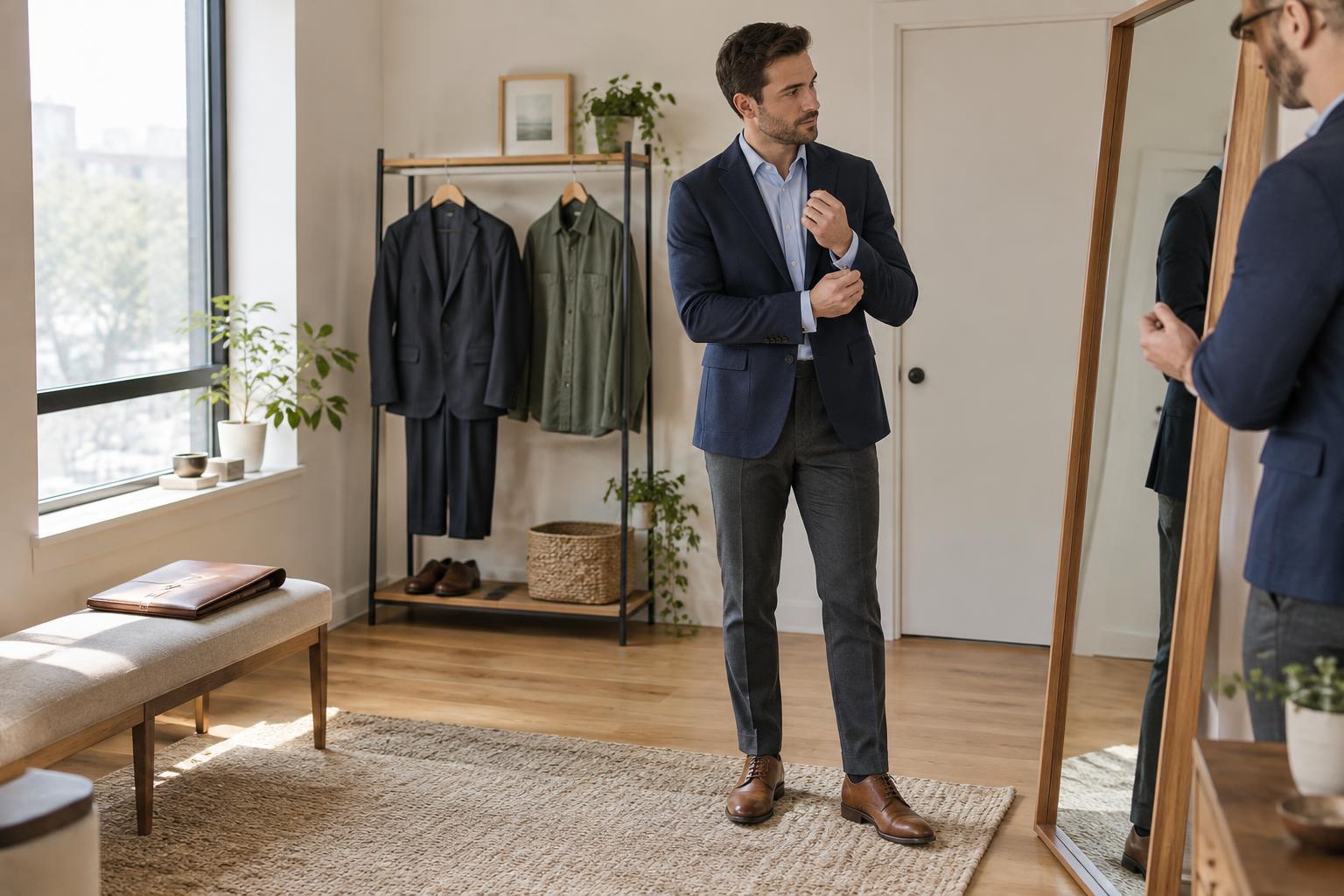
For an interview in a workplace with a formal dress code, a dark navy or charcoal suit is a versatile choice. Pair it with a clean, well-fitting dress shirt in white or a pale color. A simple tie is sensible when the role or office appears especially traditional; if you have been told the dress code is business professional, wear one. Choose polished leather dress shoes and a belt that works with them. The pieces need not be expensive, but they should be clean, in good repair and free of conspicuous wrinkles.
Fit matters more than an elaborate pattern. The jacket should let you move your arms without pulling hard across the back or chest, and the shirt collar should feel comfortable when buttoned. Trousers should sit securely and not bunch heavily over your shoes. If you already own a suit that fits reasonably well, a pressed shirt and tidy shoes will usually do more for the overall impression than buying a new accessory.
For a casual workplace, dress with intention
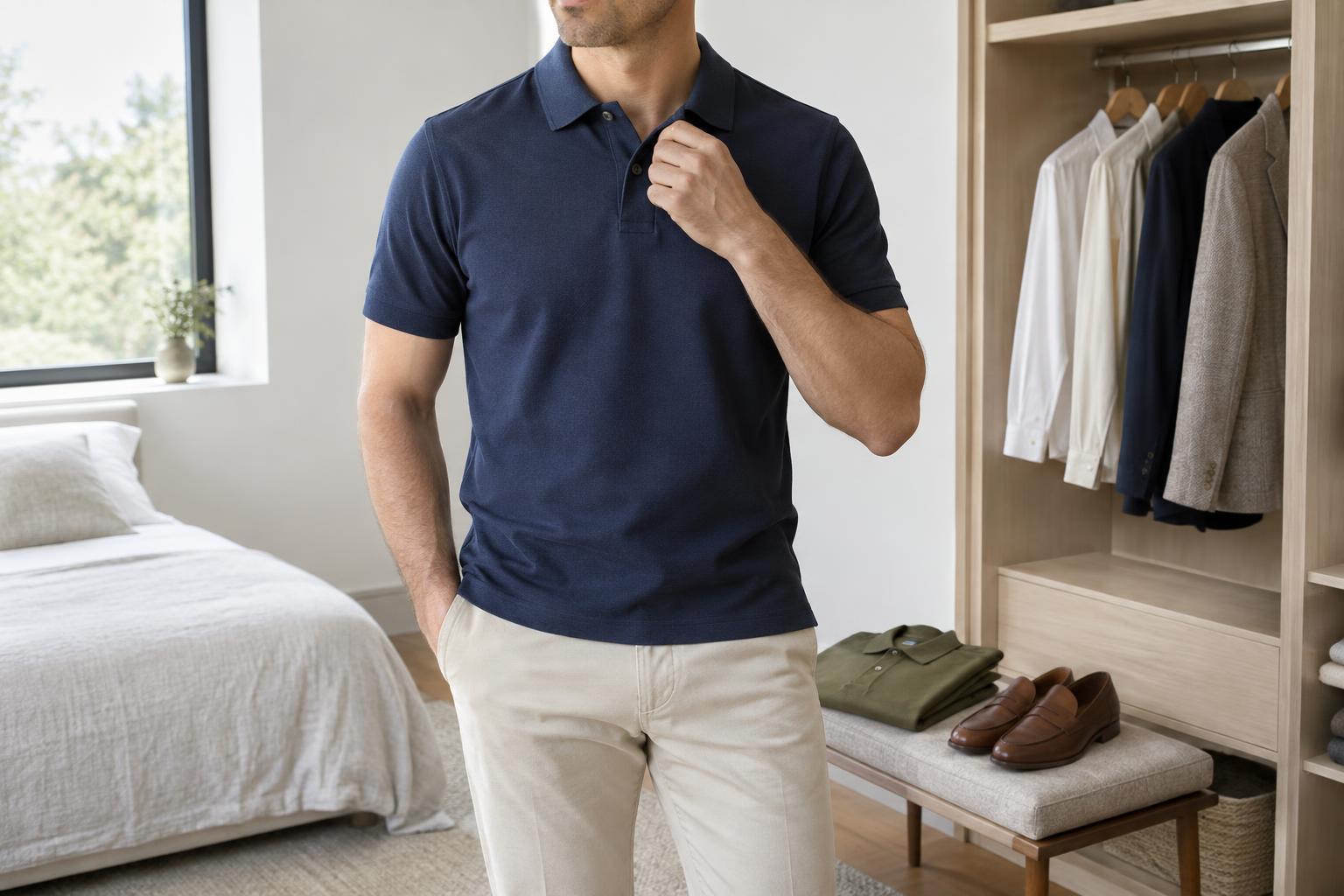
Casual does not have to mean careless. For many less formal offices, chinos or neat trousers with a collared shirt make a useful starting point. An unstructured blazer, fine-gauge sweater or simple overshirt can add a layer if it suits the workplace. Dark, clean jeans may be appropriate in some settings, but trousers are the safer option if you cannot judge how casual the office is. Avoid distressed finishes, prominent slogans and anything you would need to keep adjusting while seated.
Footwear should support the same level of polish as the clothes. Loafers, simple leather shoes or clean, understated sneakers can work, depending on the setting. Shoes that are scuffed, muddy or falling apart will stand out even in a relaxed office. If the company seems very casual, you can still wear a smart shirt and trousers without looking as though you misunderstood the assignment.
Prepare for the format and the journey
Try on the full outfit before interview day, including shoes and any outerwear. Sit down, stand up and walk around. Check that your shirt stays comfortable, your trousers do not pull and your layers suit the weather. If you are travelling, choose fabrics that hold their shape reasonably well and give yourself a way to carry documents without overstuffing your pockets. A plain, tidy bag is enough; it does not need to match every item you wear.
For a video interview, dress with the same care you would bring in person, including the clothes below the camera frame. Test how colors and patterns look on screen, and make sure your face is clearly visible in the available light. A simple outfit often reads more clearly than a busy print. Whether the interview is remote or in person, avoid trying a brand-new haircut, fragrance or pair of shoes for the first time that morning.
Finish with a quick, calm check
Small maintenance tasks can bring the outfit together: press or steam wrinkled garments as their care labels allow, remove lint, clean your shoes and check for loose threads or missing buttons. Keep grooming tidy and fragrance subtle, if you wear it at all. Accessories can be minimal—a watch or simple belt is plenty. Nothing should compete with what you are saying.
Finally, lay everything out in advance so the morning is not spent searching for a clean shirt or matching socks. Interview clothing cannot replace preparation for the conversation, but it can remove avoidable distractions. Choose pieces that fit the workplace, fit your body and let you focus on answering questions rather than managing your outfit.