Start with the family's guidance
The best outfit is one that respects the wishes of the family and allows you to participate without drawing attention to yourself. Check the invitation or service notice for a dress request. Some families ask for traditional dark clothing; others encourage a particular color, a less formal look, or clothing that reflects the person being remembered. Follow that guidance even if it differs from what you would usually wear to a funeral.
If no guidance is given, consider the venue and the nature of the gathering. A religious service, a graveside ceremony, and an informal celebration of life may call for different levels of formality. Customs also vary among families and communities, so avoid assuming that one dress code applies everywhere. If you are unsure and know someone close to the arrangements, a brief, considerate question is reasonable. Otherwise, choose a neat, subdued outfit.
Choose a simple, respectful foundation
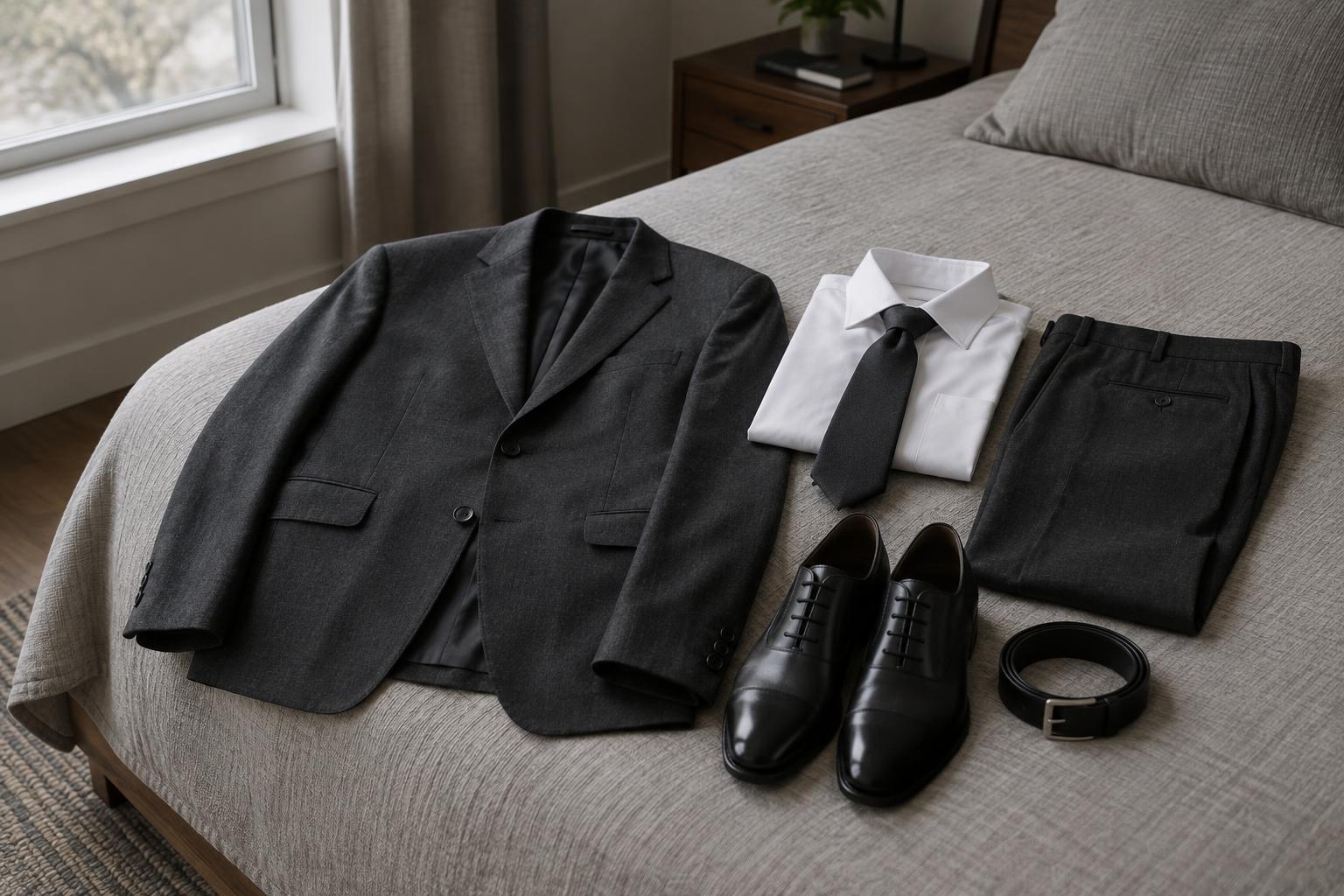
For a traditional service, a dark suit is a dependable choice. Black, charcoal, and dark navy all work; a clean white or pale blue shirt keeps the combination quiet. Add a dark or muted tie if the setting seems formal. The suit should fit comfortably enough to sit, stand, and move without constant adjustment. It does not need to be new or expensive to look appropriate.
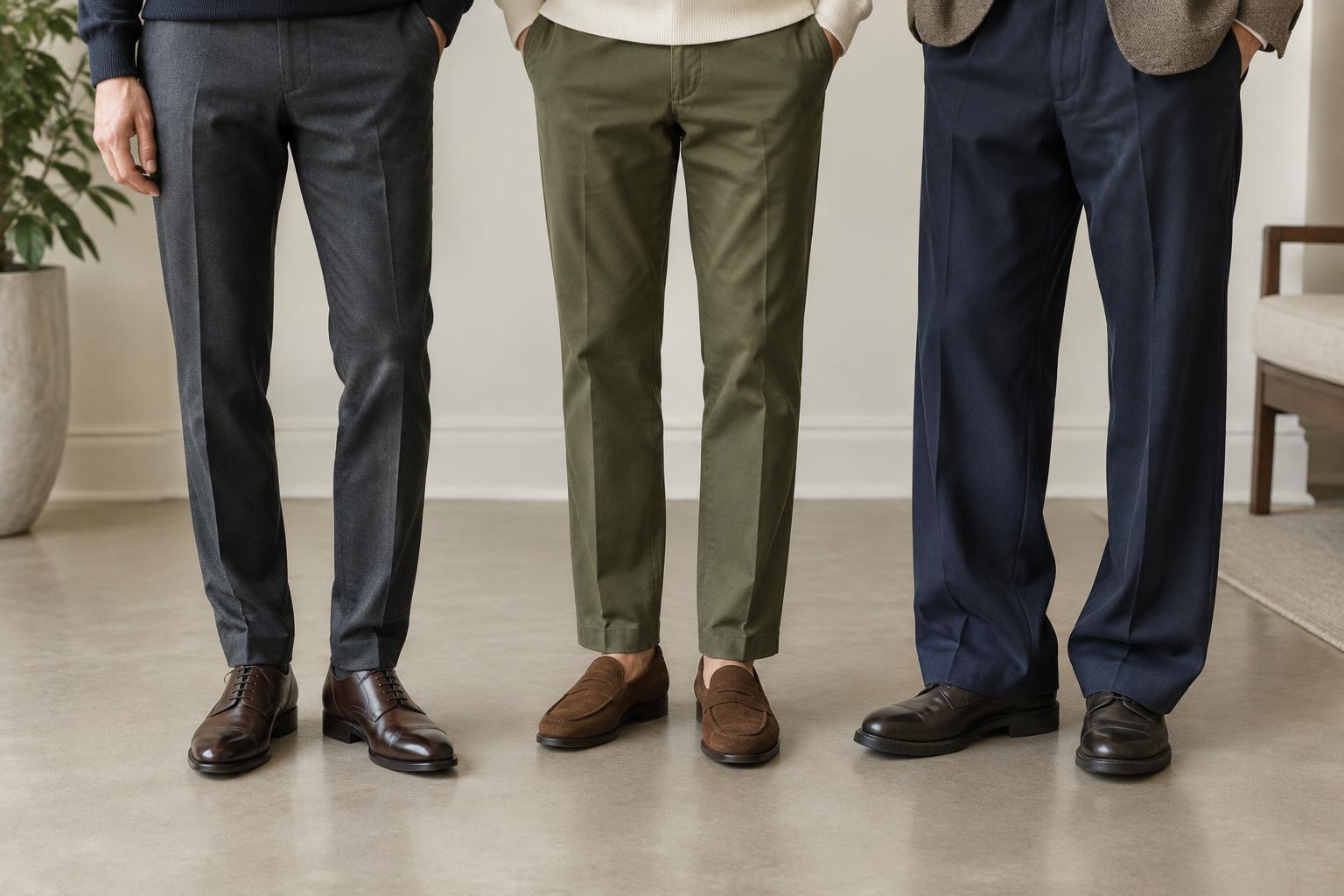
If you do not own a suit, wear the smartest pieces you have rather than rushing to buy one. Dark, well-fitting trousers with a button-down shirt and a plain blazer or tidy sweater can be suitable in many settings. Keep patterns and logos restrained. Dark jeans may be acceptable at a clearly casual memorial, but trousers are the safer choice when the dress code is unclear. A freshly laundered, pressed outfit usually looks more considered than a more formal one that is wrinkled or poorly fitting.
Keep shoes and accessories understated
Clean leather shoes or simple dress boots pair well with a suit or tailored trousers. Brown shoes can work with navy or charcoal, though black shoes are an easy choice for a particularly formal service. If the event is outdoors, check whether your shoes can handle grass, gravel, or wet ground. Comfort matters: you may be standing for a while or walking between locations.
Choose a belt that sits neatly with your trousers, and keep accessories modest. A plain watch and a pocket square in a subdued color are fine, but neither is necessary. Leave loud prints, novelty ties, strong fragrance, and attention-grabbing jewelry for another day. Put your phone on silent before the service. If you bring a coat, select one that is clean and unobtrusive; practical outerwear is better than being visibly uncomfortable in bad weather.
Dress for the setting and the weather
An outdoor graveside service can feel quite different from an indoor ceremony, even on the same day. In cold weather, add a warm coat and discreet layers under your shirt or sweater. In heat, a lightweight shirt and breathable trousers may be more comfortable than a heavy suit. You can remove a jacket when appropriate, but arrive looking put together. An umbrella is useful if rain is possible, and a plain one is easy to carry without making it part of the outfit.
For a memorial held in a park, home, or casual venue, take cues from the stated dress code rather than the location alone. Casual does not mean careless: clean clothes, a good fit, and serviceable shoes still show consideration. If a gathering includes a meal or reception afterward, choose an outfit you can wear comfortably through the full event.
Prepare the night before
Set out your clothes in advance so you can check for stains, loose buttons, scuffed shoes, or a shirt that needs ironing. Try on the complete outfit, including your coat and footwear, if you have not worn it recently. Pack any small essentials you may need, such as a handkerchief, tissues, or weather protection. These preparations reduce distractions on what may be a difficult day.
You do not need to get every detail perfect. If your wardrobe is limited, wear the cleanest, neatest combination available and attend if you are welcome. Being present and treating others with care matters more than owning a particular suit. Let the family's wishes guide your choices, then focus your attention on the people and the occasion.