Start with the care label
Linen has a relaxed look, but that does not mean every linen garment should go through the same wash. Read the care label before you start. A plain linen shirt may be easy to launder at home, while a lined jacket, structured pair of trousers or linen-blend garment may call for different treatment. Trims, dyes and construction matter as much as the fabric itself.
Before washing, empty pockets, close buttons or zips that could catch, and turn dark or brightly colored pieces inside out. Check collars, cuffs and underarms for marks. If you use a stain treatment, test it on a hidden area first and follow its directions; vigorous rubbing can leave the fabric looking worn in one spot. Wash similar colors together, especially when an item is new.
Wash gently and give garments space
For machine-washable linen, a gentle cycle with cool or lukewarm water is a sensible starting point unless the label specifies otherwise. Use a modest amount of mild detergent and avoid packing the drum tightly. Linen needs space to move and rinse, and an overloaded wash can leave shirts and trousers with harder-set creases. A lower spin speed may also help reduce twisting, though the clothes will come out wetter.
Hand washing is useful for lightweight or loosely woven items that are labeled as suitable for it. Move the garment gently through the water rather than scrubbing or wringing it. Rinse thoroughly, then press out excess water with your hands or roll the item in a clean towel. Avoid chlorine bleach unless a garment’s instructions expressly permit it; it can be harsh on fibers and may affect color.
Linen can soften with wear and laundering, but do not assume it cannot shrink. Heat and agitation may change the fit, particularly on a garment you have not washed before. If a shirt already fits closely at the shoulders or sleeves, take extra care with the label’s temperature and drying instructions.
Dry it with the shape in mind
Take linen out of the washer promptly. Shake each piece open, smooth the placket, pockets and seams, and reshape it while damp. Hang a shirt on a suitable hanger or lay a knit or easily stretched item flat, according to its care instructions. For trousers, align the legs and hang them neatly so the seams do not twist. Keeping garments out of intense direct sun may help protect darker colors from fading.
If the label allows tumble drying, use a low setting and remove the item while it is still slightly damp. Excessive heat or drying until the fabric is very crisp can make creases more stubborn and may affect the fit. Let the garment finish drying on a hanger, with enough space around it for air to circulate. Make sure it is fully dry before putting it in a crowded wardrobe.
Choose which wrinkles to remove
Wrinkling is part of linen’s character. The goal is not necessarily to make a casual summer shirt look perfectly flat; it is to keep the collar, placket and hems tidy enough that the texture feels deliberate. After washing, smoothing those areas by hand often makes a noticeable difference. A shirt worn open over a T-shirt can carry more rumpling than one tucked in for a dressier occasion.
For a sharper finish, iron linen while it is slightly damp, following the garment’s care label for heat. Work from the inside if you are concerned about shine or marks on a dark fabric, and pay attention to collars, cuffs and front edges. A pressing cloth adds a layer of protection for delicate details. If the item is already dry, a light mist of water can help release creases; let it dry fully before wearing or storing it.
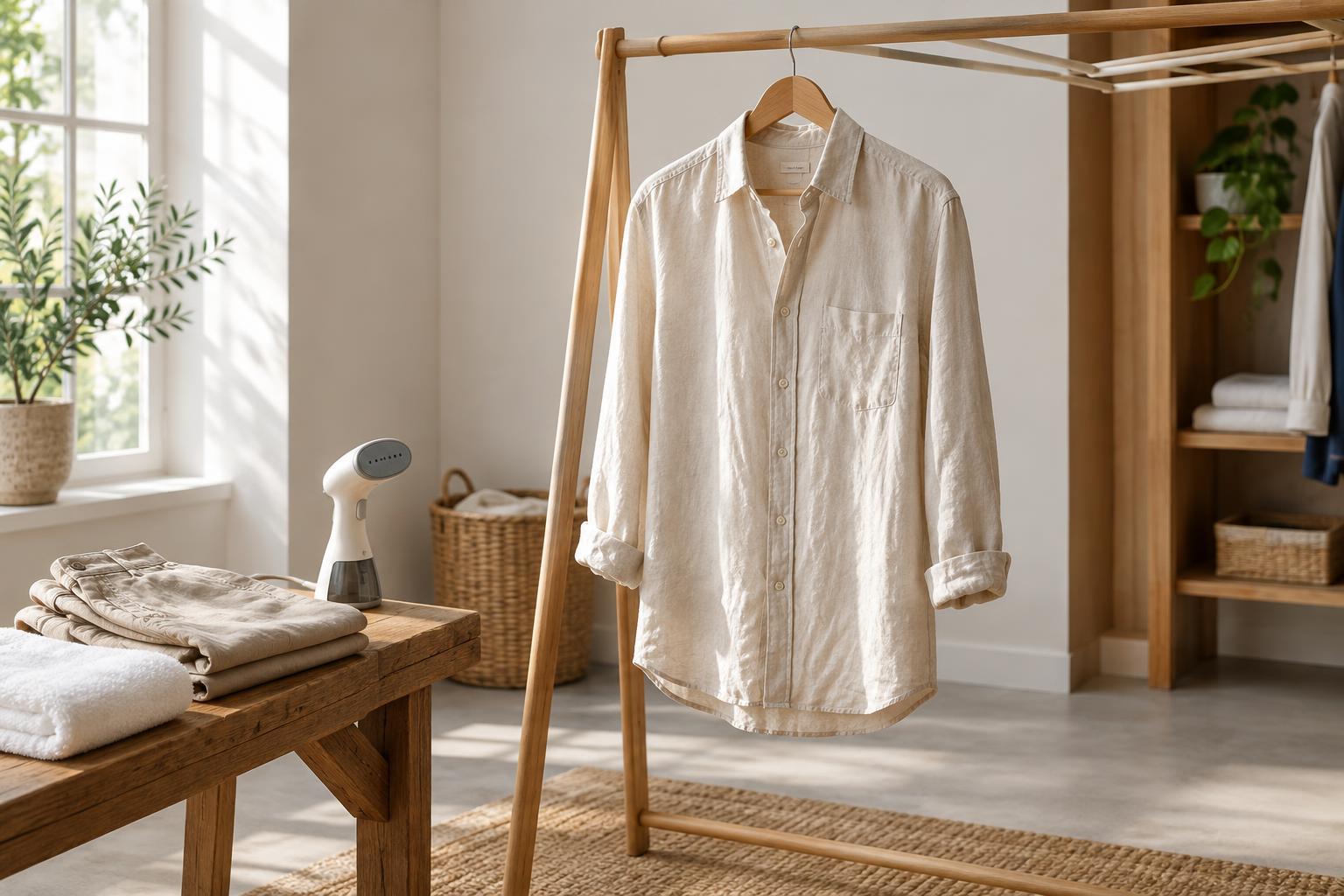
A garment steamer can relax wrinkles when you do not need a crisp pressed line. Hang the item securely, keep the steamer moving and avoid soaking one area. For travel, unpack linen as soon as you arrive and hang it with some room around it. Deep fold marks may still need steam or an iron, but minor creases often look less pronounced once the garment has hung for a while.
Store linen ready for its next wear
Clean, dry linen is easier to keep fresh between wears. Hang shirts and jackets on hangers that support their shape, and fold pieces that might stretch when hung. Do not squeeze them tightly between other clothes: a little space helps prevent sharp, unnecessary folds. When packing linen away for a season, make sure it is completely dry and store it in a clean, breathable place.
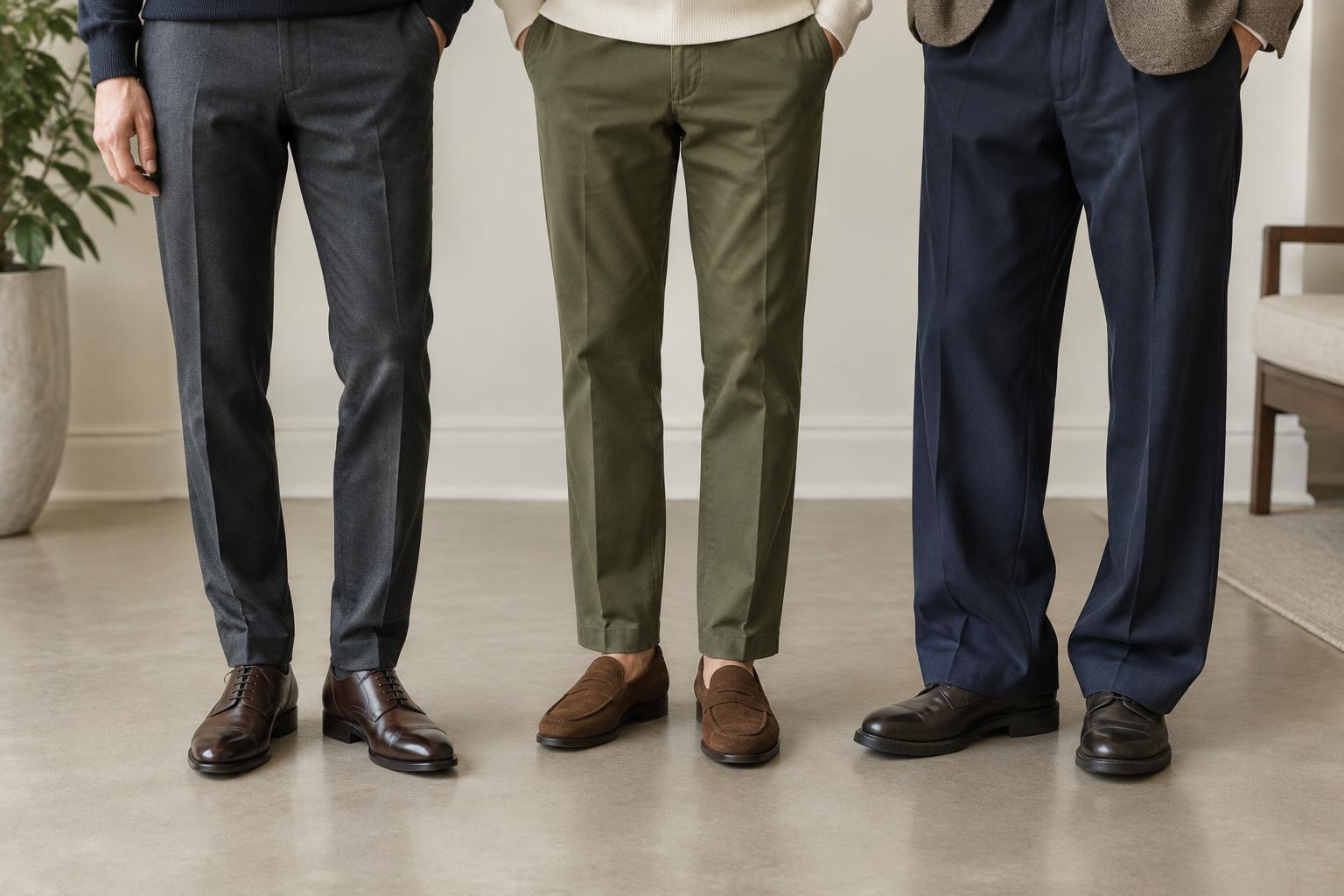
Think of linen care as part of getting dressed, not a separate chore. A gentle wash, careful drying and a quick decision about whether to smooth, steam or press will cover most everyday needs. That approach lets a linen shirt look easygoing with shorts while still being neat enough to pair with tailored trousers.