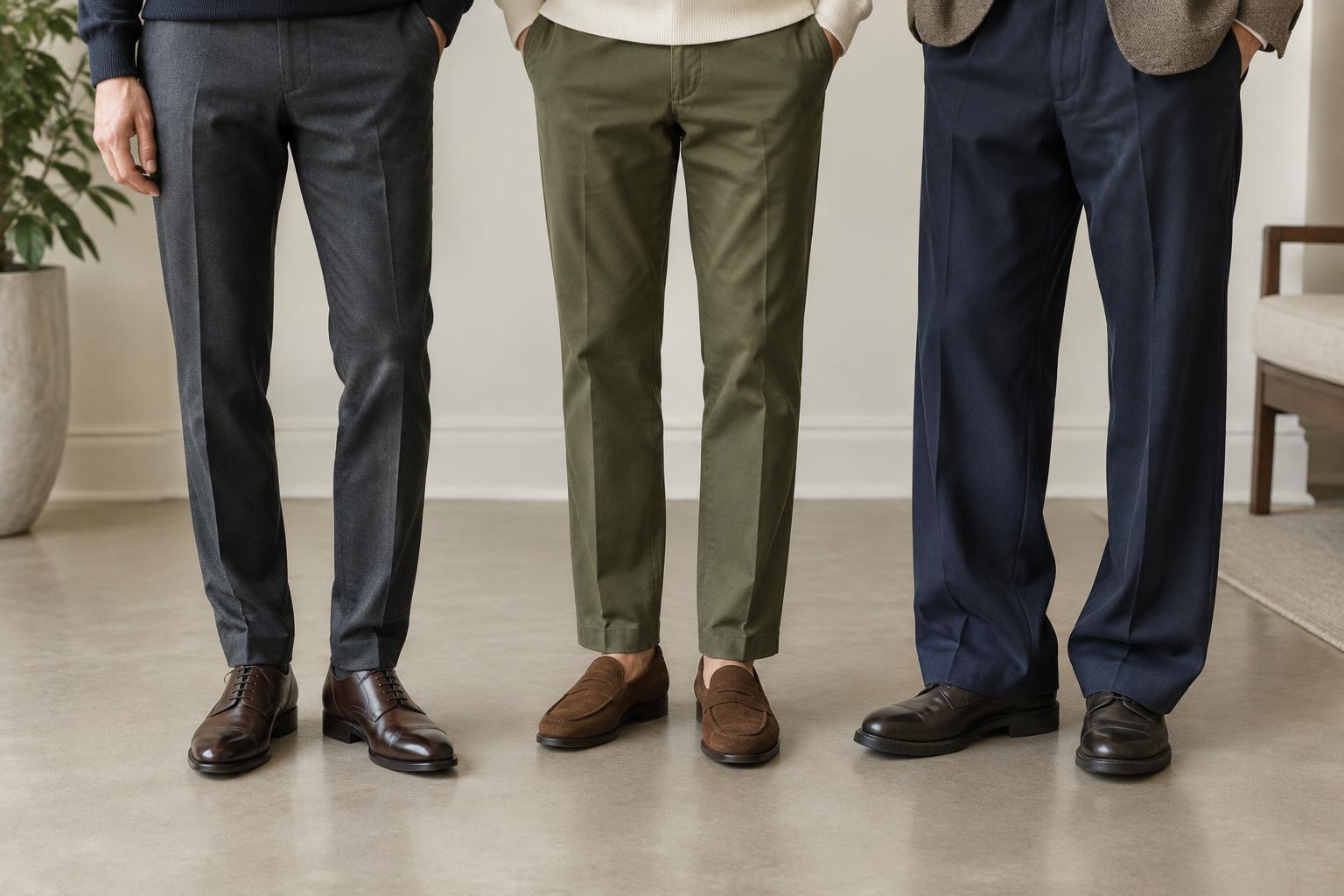
Start with the care label, then make simple piles
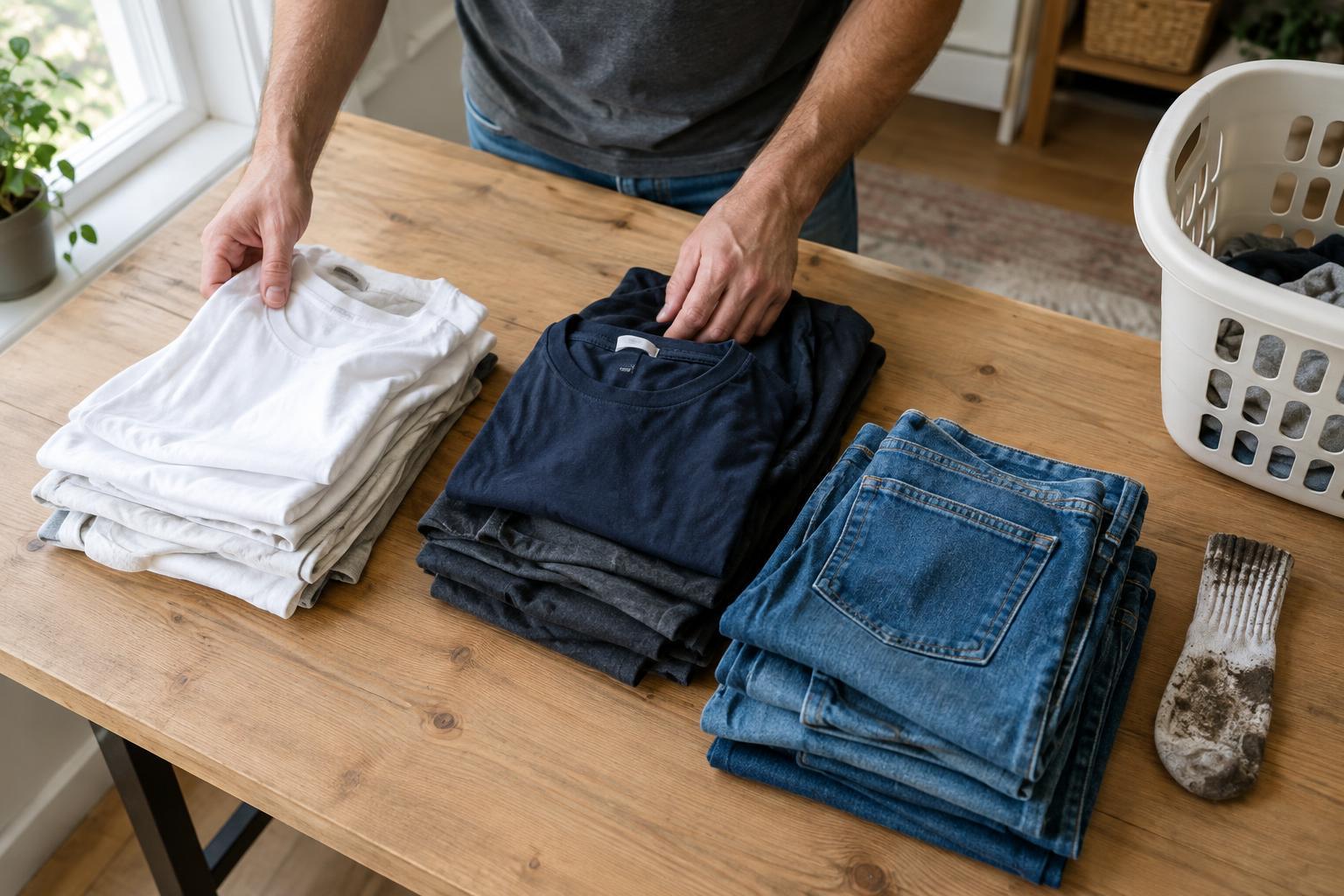
Before sorting by color, check the care labels on anything unfamiliar. A wool sweater, a dry-clean-only jacket, or a shirt that must be washed cold should not go into a load simply because its color matches. Set aside items needing hand washing or special care. For the rest, you can usually begin with three practical piles: lights, darks, and items that need a gentler cycle.
Sorting is about protecting clothes as well as getting them clean. Dye can transfer, rough fabrics can abrade smoother ones, and heavily soiled garments can leave other pieces less fresh. You do not need a separate load for every garment type. The goal is to group items that can tolerate roughly the same water temperature, wash action, and drying method.
Separate colors, especially when clothes are new
Put white and very pale items together when their labels allow the same wash settings. Group black, navy, charcoal, and other dark colors separately to help limit visible dye transfer and keep pale shirts from looking dull. Mid-tone and bright colors can often share a load, but a new red, deep blue, or richly dyed garment deserves extra caution. Wash it separately at first if you are unsure whether the dye is stable.
When combining colors, use the care label’s temperature guidance and avoid assuming that hotter water always cleans better. Turning dark garments inside out may help reduce visible surface wear. If a light item has dark panels or trim, follow its label and choose a load that will not put either color at unnecessary risk. When in doubt, washing it alone is simpler than trying to fix dye transfer later.
Group fabrics by weight and wash action
Color is only part of the decision. Heavy jeans, sturdy sweatshirts, and towels can be rough on lightweight shirts, fine knits, and dressier trousers. Wash durable pieces together when their labels permit it, and give more delicate clothes a gentler load. A mesh laundry bag can help protect small or easily snagged items, though it does not make a machine-washable item out of one whose label says otherwise.
Watch for lint as well. Towels and some fleece garments can shed onto dark cotton shirts or smoother trousers, so separate them when lint is a recurring problem. Close zippers and fasten hooks before washing to reduce snagging; leave shirt buttons undone to avoid pulling at the buttonholes. Empty pockets and check for pens or tissues before any load goes in.
Keep heavily soiled clothes out of lightly worn loads
A lightly worn office shirt does not need to share a cycle with muddy trousers or clothes covered in grease. Separate heavily soiled pieces so you can treat stains and choose a suitable cycle without washing everything more aggressively. Brush off dried dirt before loading, and treat stains promptly according to the garment’s label and the stain remover’s directions. Avoid machine-drying a stained item until you have checked whether the mark came out.
Soil level also helps you decide how full to make a load. Clothes need room to move and rinse; packing the drum tightly can leave them less clean. If you have only a few lightly worn items, it may be reasonable to wait for a fuller compatible load. Do not leave damp, sweaty clothing bundled in a hamper while you wait, as lingering moisture can create odors.
Build a routine you can repeat
For many wardrobes, a workable routine is lights, darks, sturdy items, and delicates, with a separate load when something is especially dirty or likely to bleed dye. These categories can overlap: dark jeans might go with other sturdy dark clothes, while a dark fine-knit shirt belongs with gentler garments. Let the most restrictive care label in a load guide your settings.
Sorting continues after the wash. Check labels before tumble-drying, since heat may shrink or wear some garments; air-dry pieces that call for it. Remove clothes promptly, reshape knits if needed, and hang or fold items once dry. A few consistent sorting habits make laundry less of a guessing game and help the clothes you rely on stay presentable longer.