Start with the life you actually dress for
Before making a shopping list, look at an ordinary two-week stretch of your life. How often do you dress for work, casual days, exercise, evenings out or formal occasions? The clothes that serve your most frequent activities deserve attention first. A jacket for an event that may happen once a year is usually less urgent than trousers you need twice a week.
Next, identify what prevents you from making complete outfits. You may have several good shirts but only one pair of trousers that fits them. Or your everyday clothes may work well until worn-out shoes undermine every combination. Write down these specific gaps rather than broad goals such as “dress better.” A useful list might say “one pair of comfortable, tidy shoes for work and weekends” or “a layer that works over my existing shirts.”
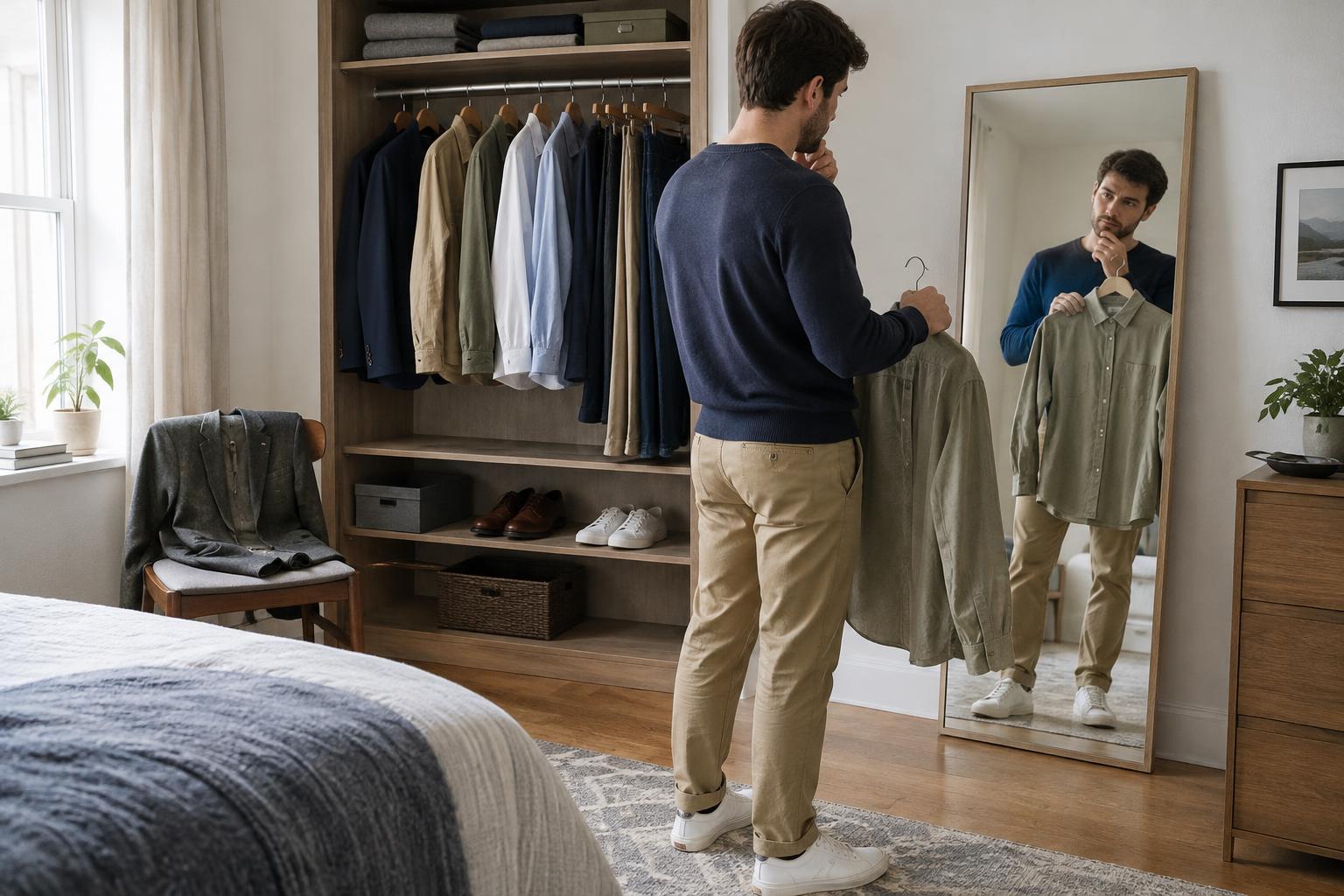
Check what you already own before deciding that a gap requires a purchase. Clean or repair neglected pieces, try on clothes you have not worn recently, and build a few outfits from them. This step can reveal that the missing item is smaller—and cheaper—than you first thought.
Rank purchases by use, not excitement
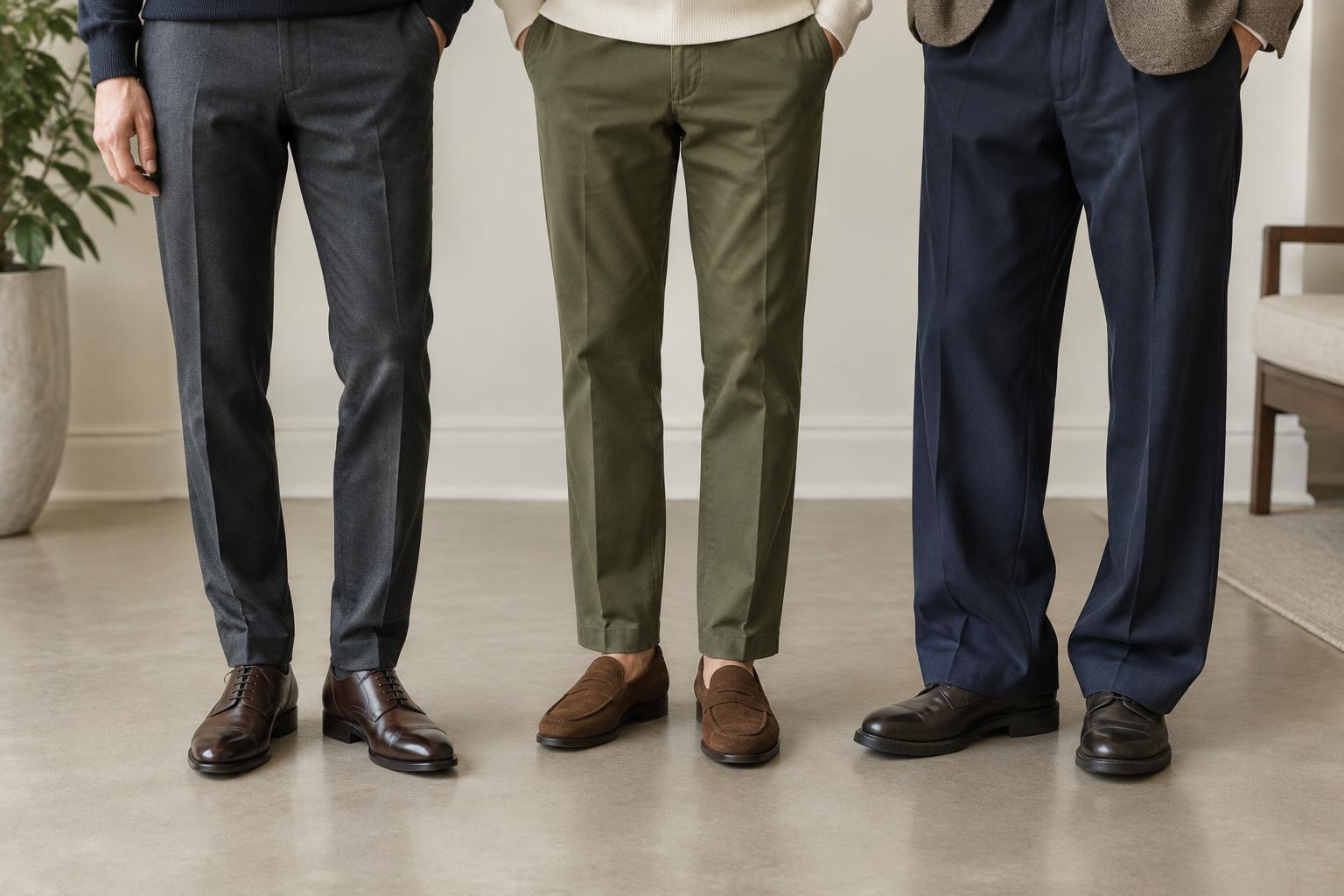
Give each potential purchase three tests: Will I wear it often? Does it work with clothes I already own? Does it solve a real problem? Items that pass all three should rise to the top of the list. A plain overshirt that pairs with several trousers and shirts may earn more wear than a striking piece that only suits one outfit. Versatility does not mean everything must be dull; it means knowing which purchases are dependable foundations and which are optional accents.
Consider the full outfit, including footwear and the weather where you live. For many wardrobes, a small rotation of well-fitting tops, trousers, layers and shoes is more useful than a large collection in one category. Your priorities will differ if you wear a uniform, work from home or regularly attend dressier events. Buy for your own calendar rather than someone else’s idea of an essential wardrobe.
You can also think in terms of cost per wear without pretending to predict an exact number. A moderately priced item worn regularly may be better value to you than a cheaper item that sits unused. Set a spending limit you are comfortable with, keep a short ranked list, and wait until a purchase fits both the list and that limit.
Put fit ahead of labels and upgrades
Even a versatile garment loses value if it is uncomfortable or hard to wear. When trying something on, move as you normally would: sit, reach, walk and check how it layers. Look for shoulder seams that sit reasonably well, trousers that do not pull when you sit, and shoes that feel secure without pinching. Fit preferences vary, but discomfort is rarely worth overlooking for a bargain.
Separate small, manageable adjustments from major fit problems. Hemming trousers can be straightforward; changing the shape of a jacket or making tight clothing roomy may not be. If an alteration is needed, include its likely cost before deciding whether the item belongs in your budget. The price on the tag is not always the final price of making something wearable.
Inspect fabric and construction with the same practical mindset. Check whether seams look secure, fastenings work and care instructions suit your routine. A garment that needs maintenance you will not provide is unlikely to become a reliable staple, regardless of how appealing it looks in the shop.
Use secondhand finds and sales selectively
Secondhand shops and sales can stretch a clothing budget, particularly for sturdy layers, knitwear and occasion pieces. They are most useful when you know the size range, condition and style you need. Inspect secondhand clothes for stains, thinning fabric, damaged seams and lingering odors; try them on when possible. Leave room in the price for cleaning or minor repairs.
A discount does not move an item up your priority list. If you would not want it at its usual price, ask whether you want the garment or only the deal. The same caution applies to buying duplicates “just in case.” When money is limited, one item that completes several outfits is often more helpful than two that repeat a role your wardrobe already covers.
Buy in stages and learn from what you wear
Build gradually rather than trying to replace your wardrobe in a single trip. Purchase the highest-priority item, wear it with your existing clothes, then reassess the list. You may discover that it solves more gaps than expected—or that the next need is different from what you assumed. Keeping a note of outfits you wear and items you repeatedly avoid can make future decisions clearer.
Protect the value of each purchase with basic care: follow the care label, deal with small repairs promptly, and give shoes and garments a chance to dry between wears when practical. As your foundations become more dependable, you can spend on pieces that express your taste. A limited budget need not rule out personal style; it simply makes the order of purchases matter more.