Start with the week, not the suitcase
Before choosing clothes, sketch out what you will actually do. Mark travel days, long walks, casual meals, work commitments and any event with a dress code. Check the expected conditions close to departure, but leave room for a warmer, cooler or wetter day than planned. The goal is not to create seven completely different looks. It is to bring a small set of pieces that can handle the range of situations you expect.
Identify the most demanding occasion first. If one dinner calls for a jacket, choose one you can also wear during the day rather than packing it for a single evening. If you expect to spend hours on foot, build around comfortable walking shoes instead of hoping an unworn pair will break in on the trip. These choices give the rest of the packing list a clear purpose.
Build a compact, compatible wardrobe
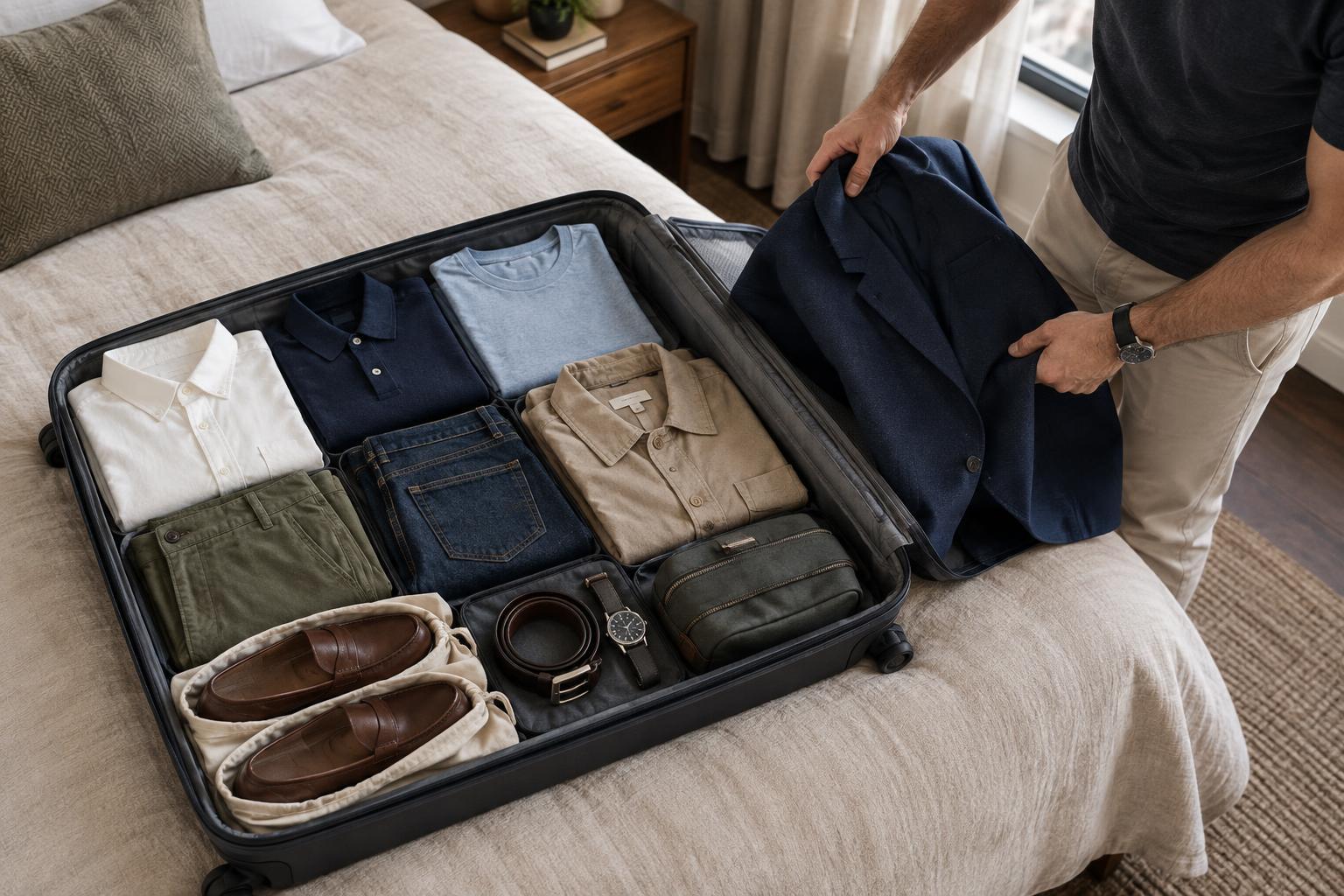
For a typical week with access to a sink or laundry, a useful starting point is two pairs of trousers, four or five tops, one midlayer, one outer layer and two pairs of shoes. Add enough underwear and socks for your washing plans. Your exact quantities may change with the climate, activities and how readily clothes dry. Wear the bulkiest shoes and layer in transit if they are comfortable for the journey.
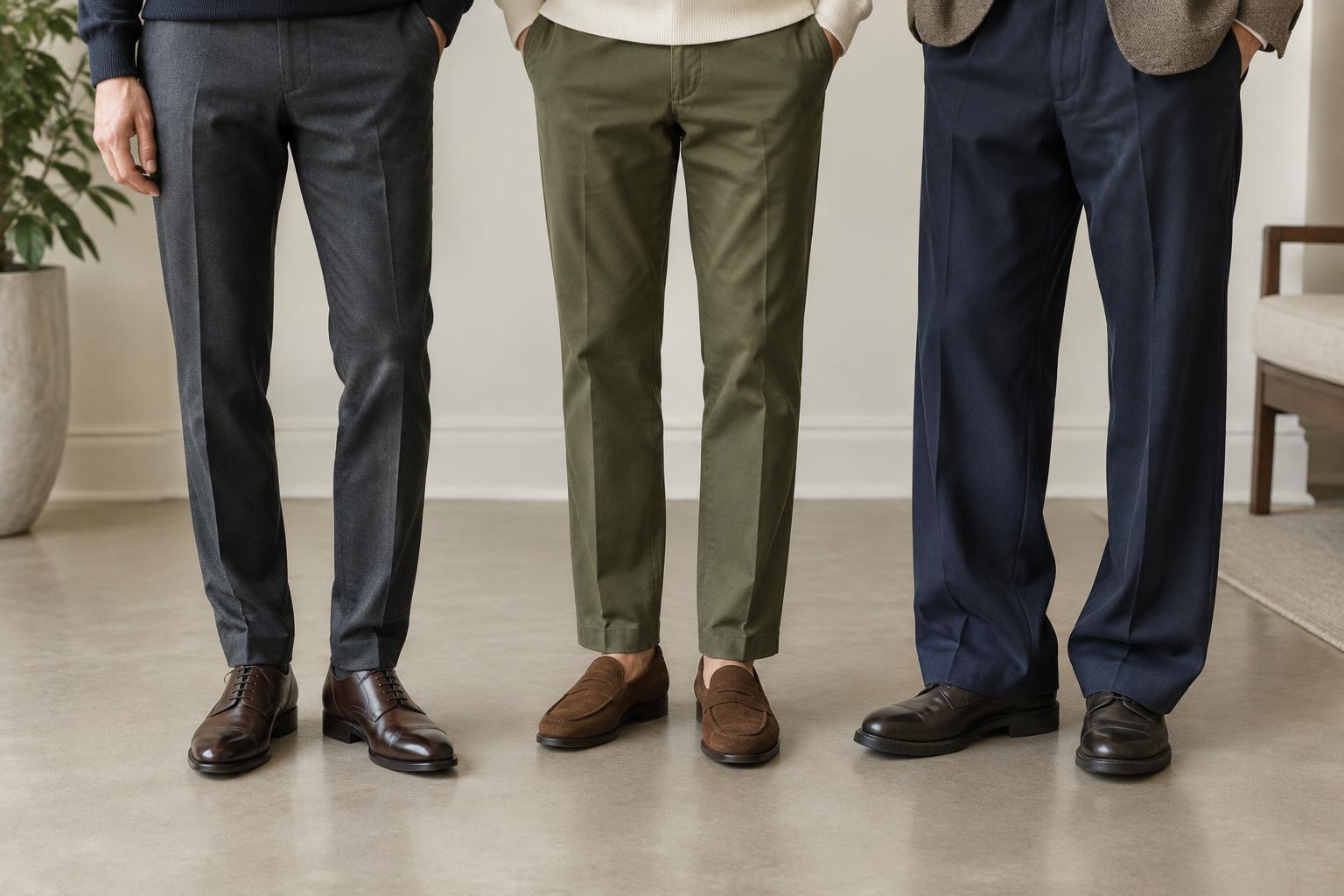
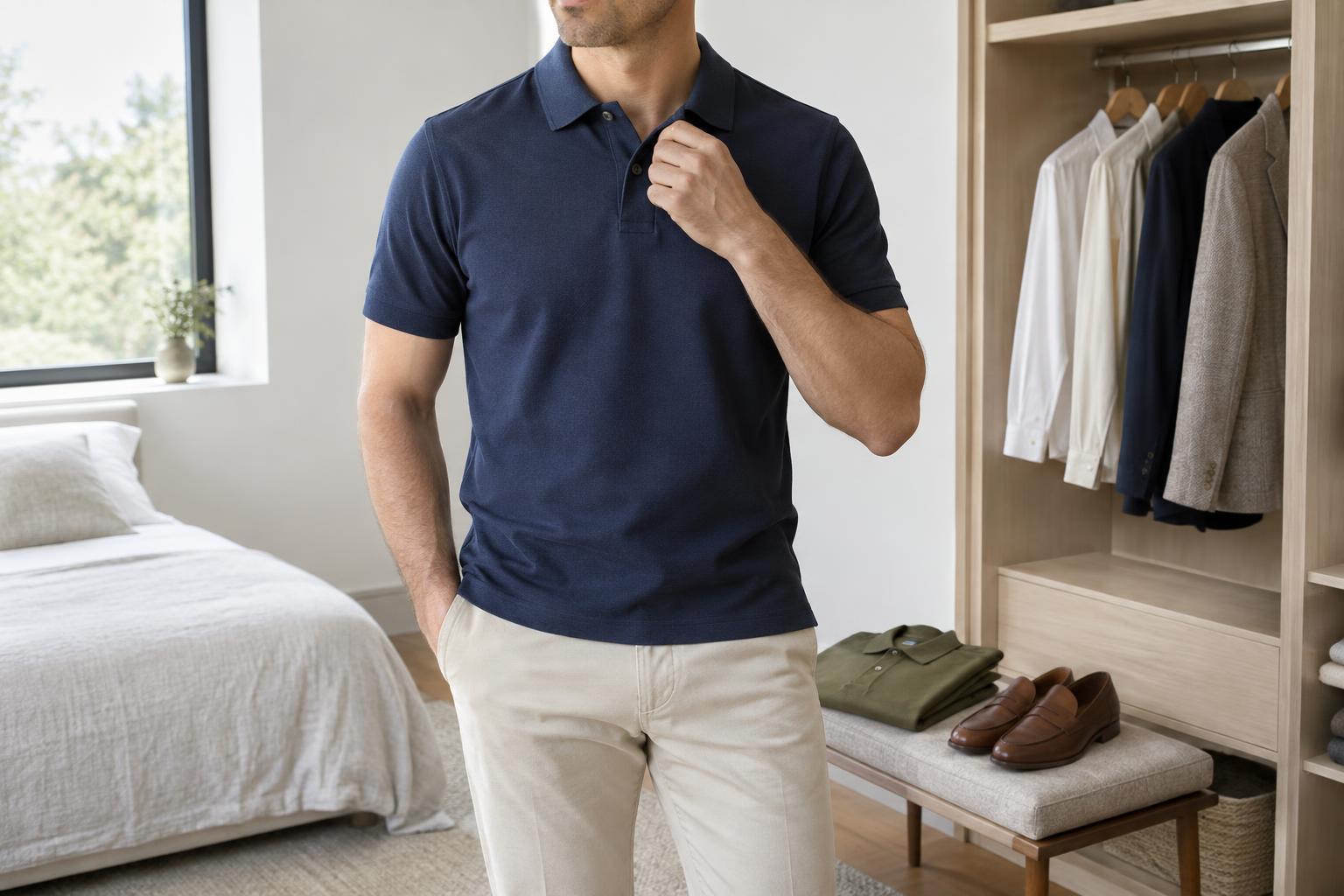
Choose a restrained color palette so that most tops work with both pairs of trousers. For example, dark trousers and a lighter pair can each support a plain T-shirt, a casual shirt and a smarter shirt. Neutral colors make mixing easy, but they need not make the wardrobe dull: one patterned shirt or colorful accessory can provide variety without limiting combinations. Try on the pieces together before packing. A shirt that looks good on its own may sit awkwardly under your chosen jacket.
Give each item more than one role where practical. A tidy overshirt can serve as a light jacket, an extra layer for a cold train and a casual dinner piece. A fine knit can warm up a daytime outfit and soften a smarter one. Avoid packing several near-identical items simply because you like them; keep the version that fits well, feels comfortable and works with the most other pieces.
Turn the list into seven outfits
Plan outfits by swapping one or two elements at a time. On the first travel day, wear the comfortable trousers, a T-shirt, a midlayer and walking shoes. For a day exploring, keep the shoes and trousers but change the top. On a casual evening, trade the T-shirt for an open-collar shirt. The following day, switch to the second pair of trousers and repeat a clean top with a different layer.
For a work meeting or smarter dinner, pair your neatest trousers with the smarter shirt and, if needed, the jacket. Afterward, the same trousers can look relaxed with a knit or T-shirt. By the final travel day, return to the most comfortable combination. This is a framework, not a rigid schedule: move outfits around when the weather or plans change.
Take a quick photo of each combination while packing, or write a short list in your phone. This exposes gaps before you leave, such as a shirt that only works with one pair of shoes. It also saves you from packing an extra item just because you cannot immediately picture how the existing pieces will work together.
Keep footwear and accessories deliberate
Shoes take up space, so ask whether each pair serves a distinct need. One comfortable pair suitable for walking may cover most of the trip. A second, cleaner pair can handle dressier plans if your itinerary calls for it. If the week involves hiking, a beach or formal events, adjust this formula rather than forcing unsuitable footwear into every setting. Test your shoes with the socks you plan to pack.
Accessories can change the feel of repeated clothes without adding much bulk. A belt that matches both pairs of trousers, a compact scarf for cooler weather or sunglasses suited to the trip may be enough. Pack for conditions you are likely to face, not every imaginable scenario. If rain is plausible, a light rain layer is usually more useful than an extra fashion piece that cannot get wet.
Plan for freshness and the unexpected
Repeating an outfit works better when you can care for it between wears. Hang clothes after a long day instead of leaving them folded in a bag. Spot-clean small marks when appropriate, follow care labels and let damp items dry fully before repacking. A small laundry bag keeps worn socks and underwear apart from clean clothes. If you will not have a realistic way to wash or dry items, pack more essentials rather than relying on an ambitious laundry plan.
Leave a little space in the bag. It makes daily repacking easier and gives you room to separate a damp layer or bring something home. Before departure, review every item against three questions: When will I wear it? What does it work with? How will I care for it? If you cannot answer those questions, you may not need it. A good small packing list gives you options without making you carry an outfit for every hour of the week.