Start with your office, not the forecast
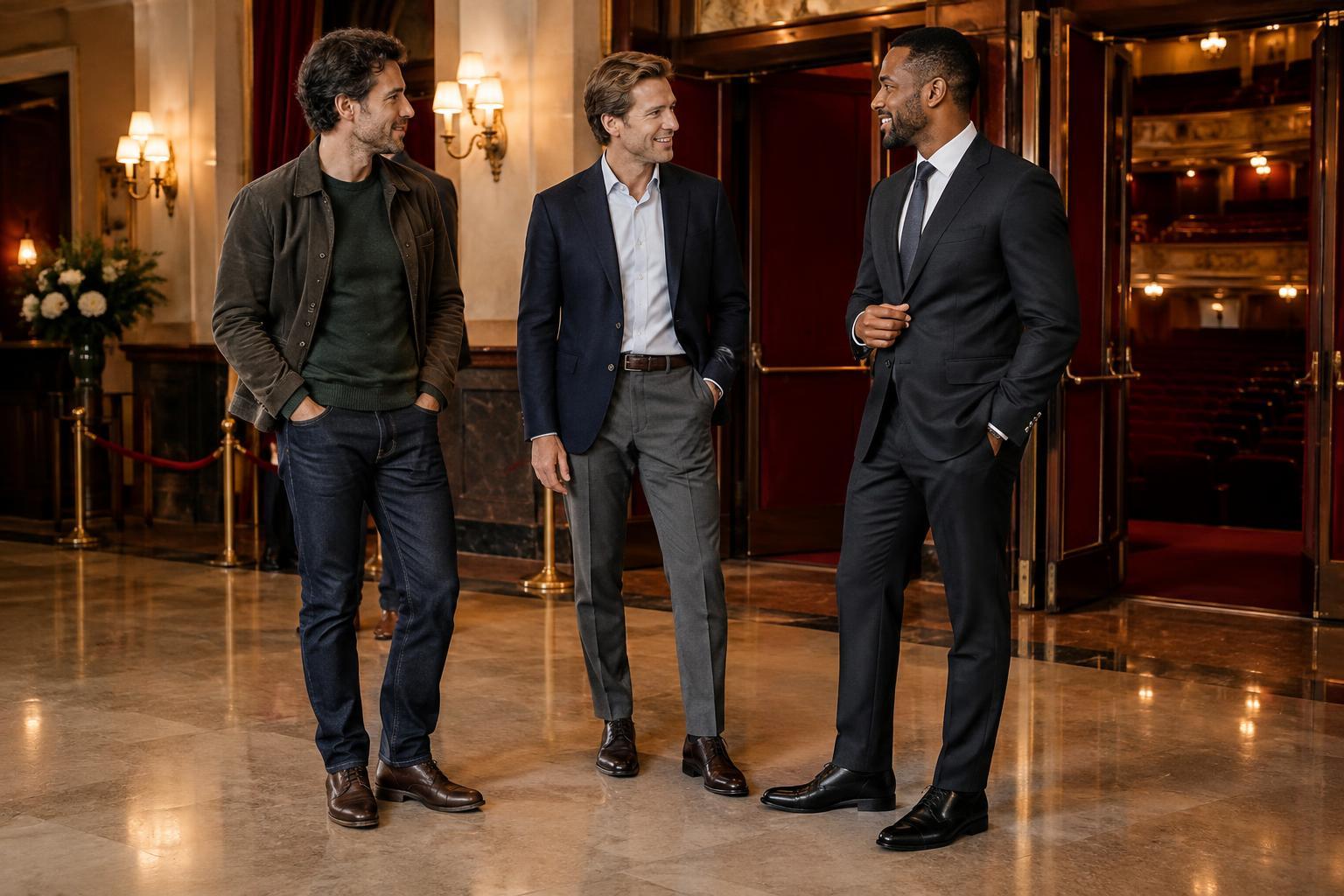
Warm weather changes what feels comfortable, but it does not erase the expectations of your workplace. Before choosing an outfit, think about what colleagues wear on an ordinary day and whether you have meetings, visitors or a client-facing role. A creative office may welcome a neat polo and chinos; a more formal one may still call for a collared shirt and tailored trousers. The aim is to dress for the most polished part of your day without making the rest of it uncomfortable.
If the dress code is unclear, build around pieces that can move between smart and relaxed settings: a plain shirt, well-fitting trousers and clean leather shoes or understated loafers. It is easier to remove a lightweight jacket after a meeting than to make an overly casual outfit look formal at short notice.
Choose fabrics that breathe and hold their shape
A warm-weather wardrobe works best when fabric and fit do some of the cooling. Lightweight cotton, linen and breathable wool can all suit an office, depending on the garment and its construction. A crisp cotton shirt looks tidy but may feel less airy than an open-weave fabric. Linen allows airflow and develops creases quickly; in a relaxed workplace, that texture can look intentional, while a linen-cotton blend may appear neater where a sharper finish is expected.
Avoid assuming that thinner always means cooler. A closely woven, clingy shirt can feel less comfortable than a slightly heavier one with room for air to circulate. Try garments while standing and sitting: the shirt should not pull across the chest, and the trousers should allow movement without excess fabric bunching at the seat or ankle. Check garments in good light, too, since pale fabrics can become more transparent than expected.
Make the shirt-and-trouser combination your foundation
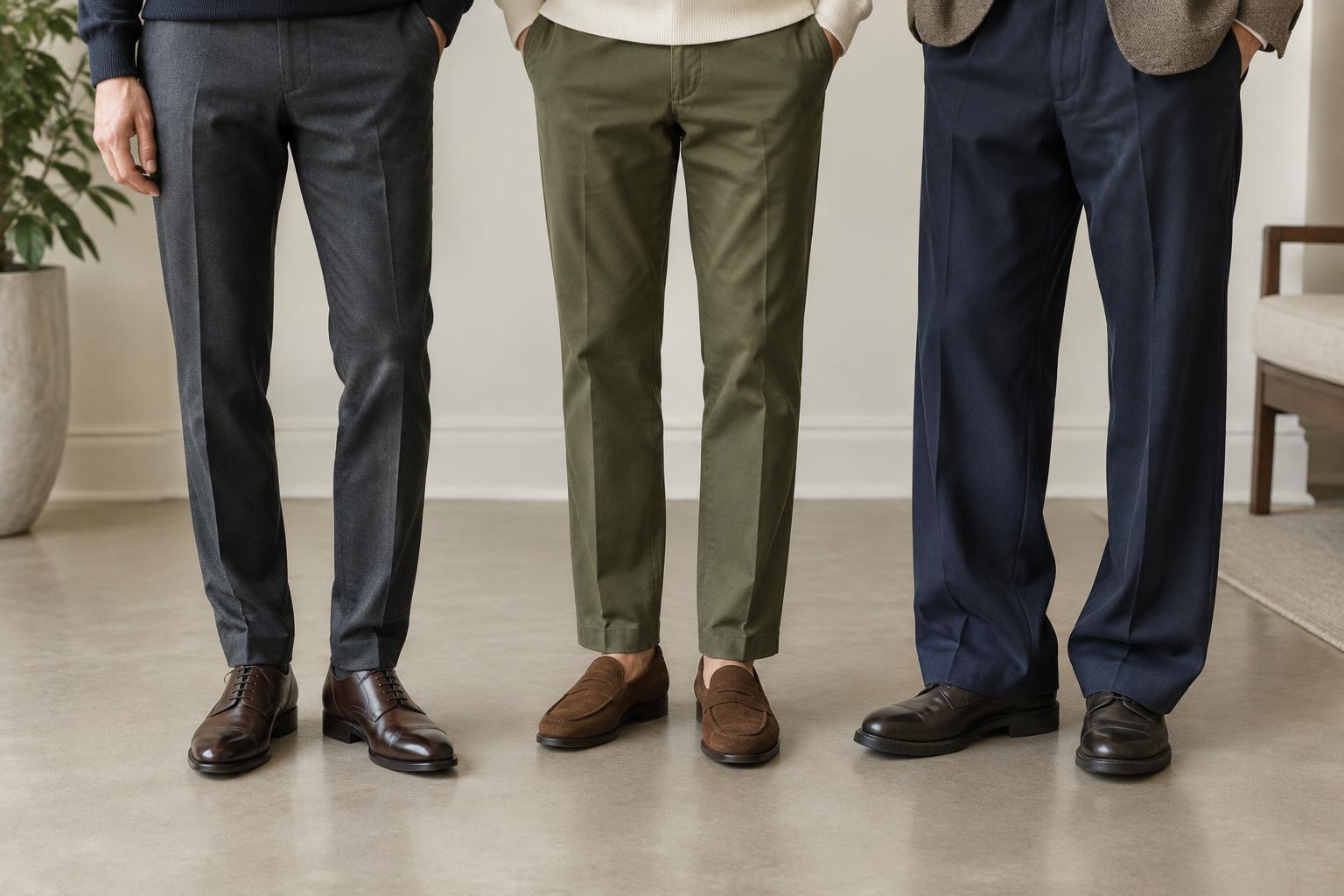
For many offices, a long-sleeved shirt and tailored trousers provide the simplest warm-weather uniform. You can roll the sleeves neatly when appropriate and lower them for a meeting. An oxford, poplin or linen-blend shirt in white, pale blue or a subtle stripe pairs easily with navy, stone, olive or charcoal trousers. A clean tuck and a belt that suits your shoes help the combination look deliberate rather than thrown together.
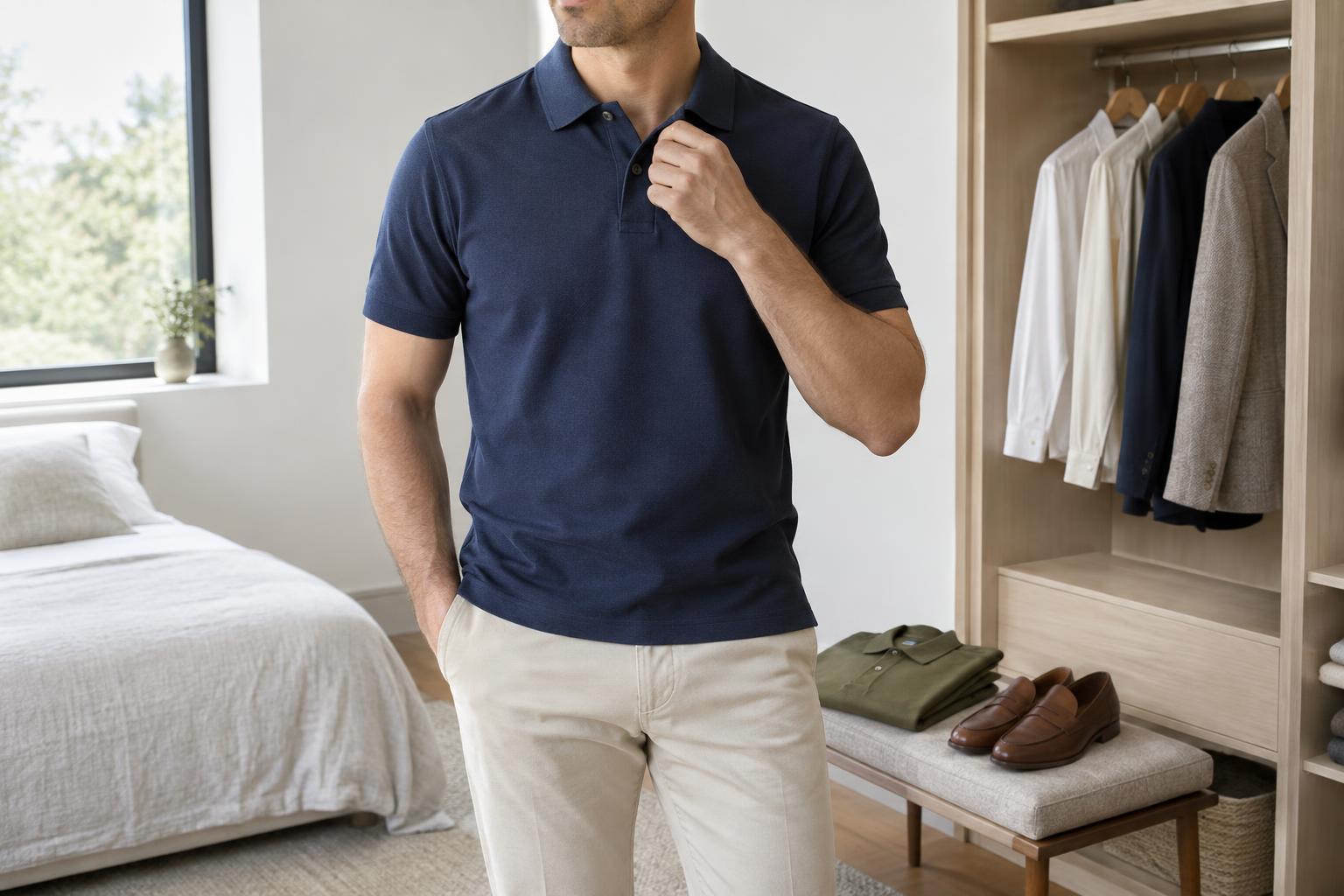
Short sleeves can work, but the details matter. A short-sleeved button-up should fit cleanly at the shoulders and sleeves, with a hem suited to how you plan to wear it. A knit polo can also look office-ready with tailored trousers, especially when the collar lies flat and the fabric is substantial enough to keep its shape. Save graphic tees, athletic polos and shorts for workplaces where you know they are welcome; their comfort alone does not make them suitable for every office.
Use footwear and layers to set the tone
Shoes often determine whether a light outfit reads as professional. Loafers, simple derbies and other clean leather shoes are dependable with tailored trousers. Minimal sneakers may be fine in a casual office, but keep them tidy and choose a streamlined pair rather than one built for running. If you prefer no visible sock, use low-cut socks where practical: they help protect your shoes and can feel more comfortable over a full workday.
An unstructured blazer, lightweight overshirt or fine-gauge cardigan gives you an option when the office is cool or a meeting calls for an extra step up. Choose a layer that sits comfortably over your shirt without pulling, and keep it nearby rather than wearing it through a hot commute. One well-chosen layer is usually more useful than several accessories competing for attention.
Prepare for the commute and keep the finish neat
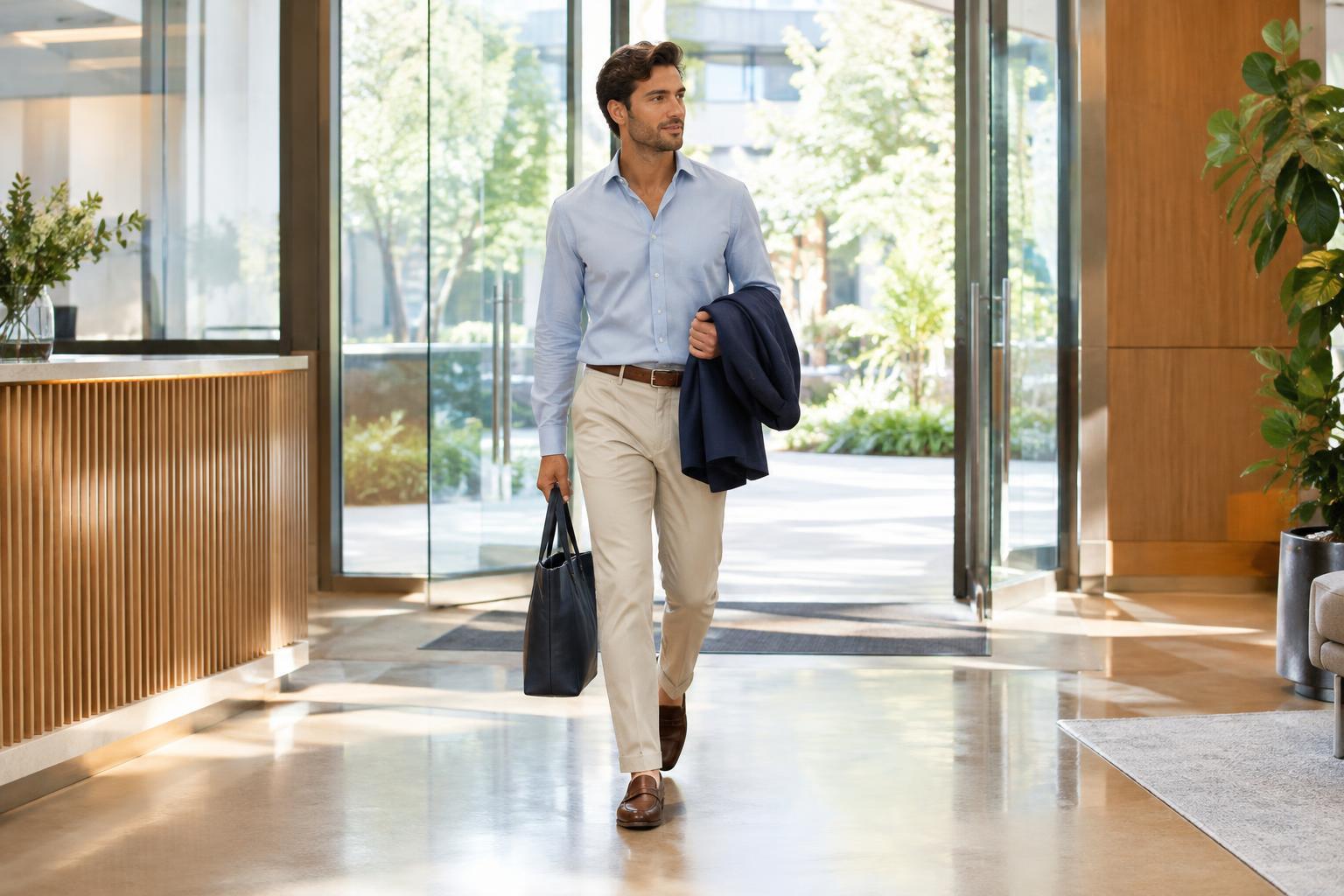
A polished outfit is easier to maintain if you plan for the journey. On especially warm days, consider carrying your jacket rather than wearing it, and allow a few minutes to cool down before a meeting. If your commute makes you sweat, a spare undershirt or shirt can be more useful than trying to conceal discomfort under another layer. An undershirt should be light, comfortable and unlikely to show through the shirt above it.
Finally, pay attention to the small signs of wear: a wrinkled collar, scuffed shoes or trousers that need pressing can make otherwise suitable clothes look careless. Hang garments after wearing them, follow their care labels and give shoes time to air out. With a few dependable combinations ready, you can dress for the heat without having to rethink what looks appropriate each morning.