Read the occasion before choosing the clothes
A dress code is a starting point, not a complete outfit. The same phrase can mean slightly different things at an office, a wedding or a restaurant. Before getting dressed, consider the venue, time of day, purpose of the event and likely level of formality among the other guests. An invitation’s wording matters, but so does whether you will be outdoors, standing for hours or moving between locations.
When the wording is vague, aim for clothes that fit well, are clean and look intentional. It is usually easier to relax a slightly polished outfit than to make an overly casual one look appropriate on arrival. If the event is important and you are unsure, asking the host or organizer what they expect is more useful than guessing from a dress-code label alone.
Casual and smart casual: relaxed, but not interchangeable
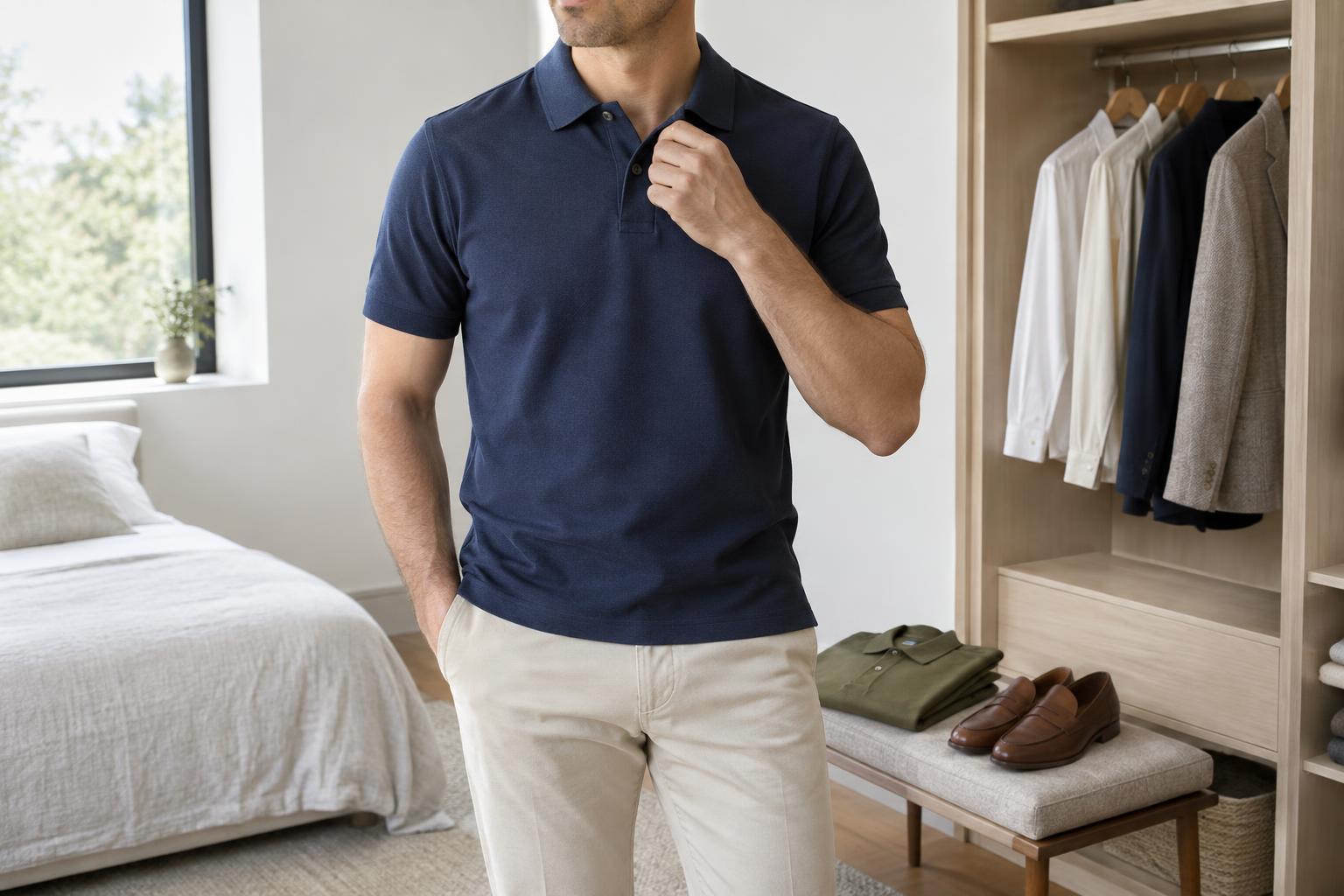
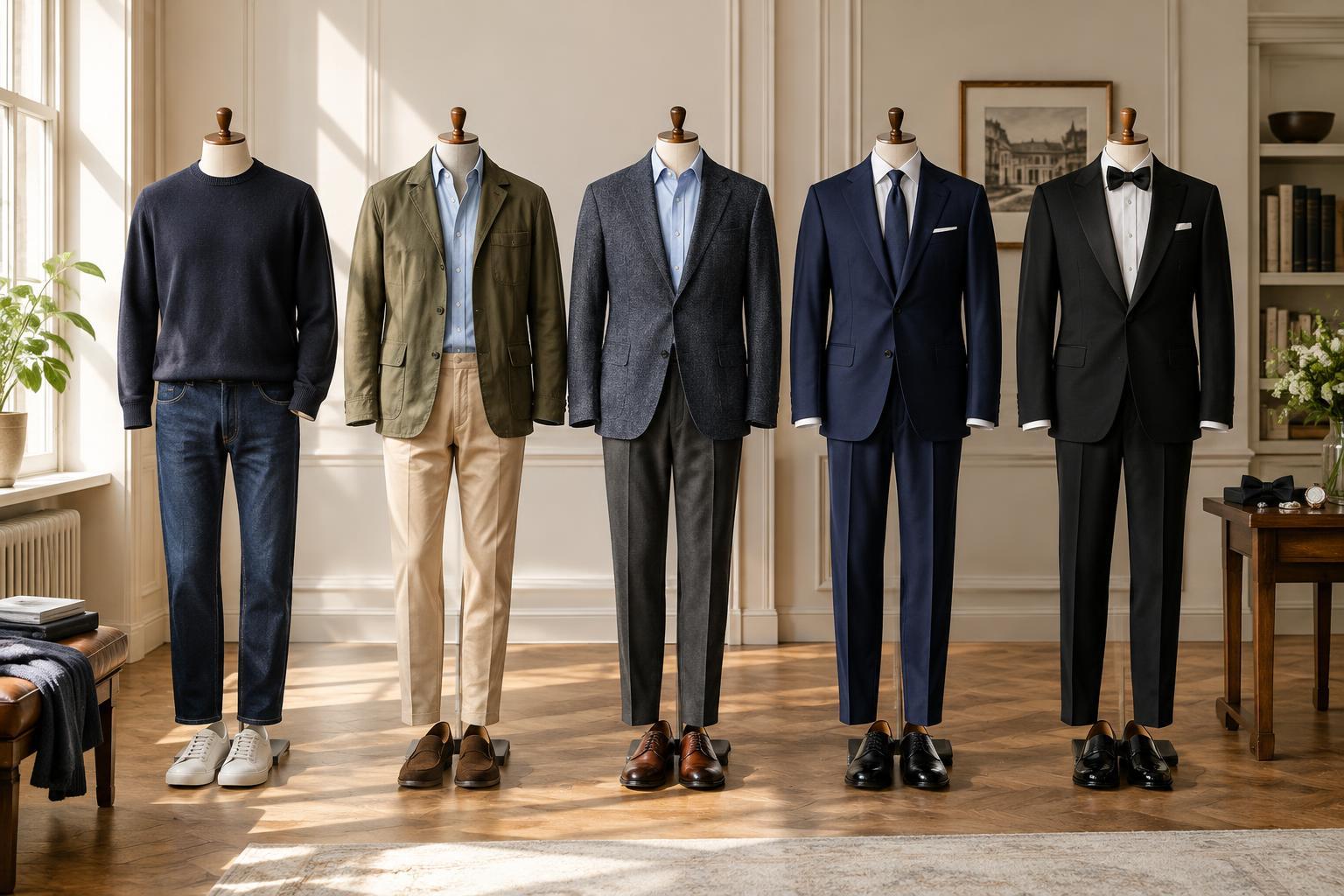
Casual offers the most freedom. Well-fitting jeans or chinos, a T-shirt, polo or casual shirt, and clean sneakers or simple boots can all work. It does not mean that condition stops mattering: stretched collars, heavily worn shoes and clothes that do not fit can make even an informal outfit feel neglected. For a social occasion, start with familiar pieces and choose the neater versions of them.
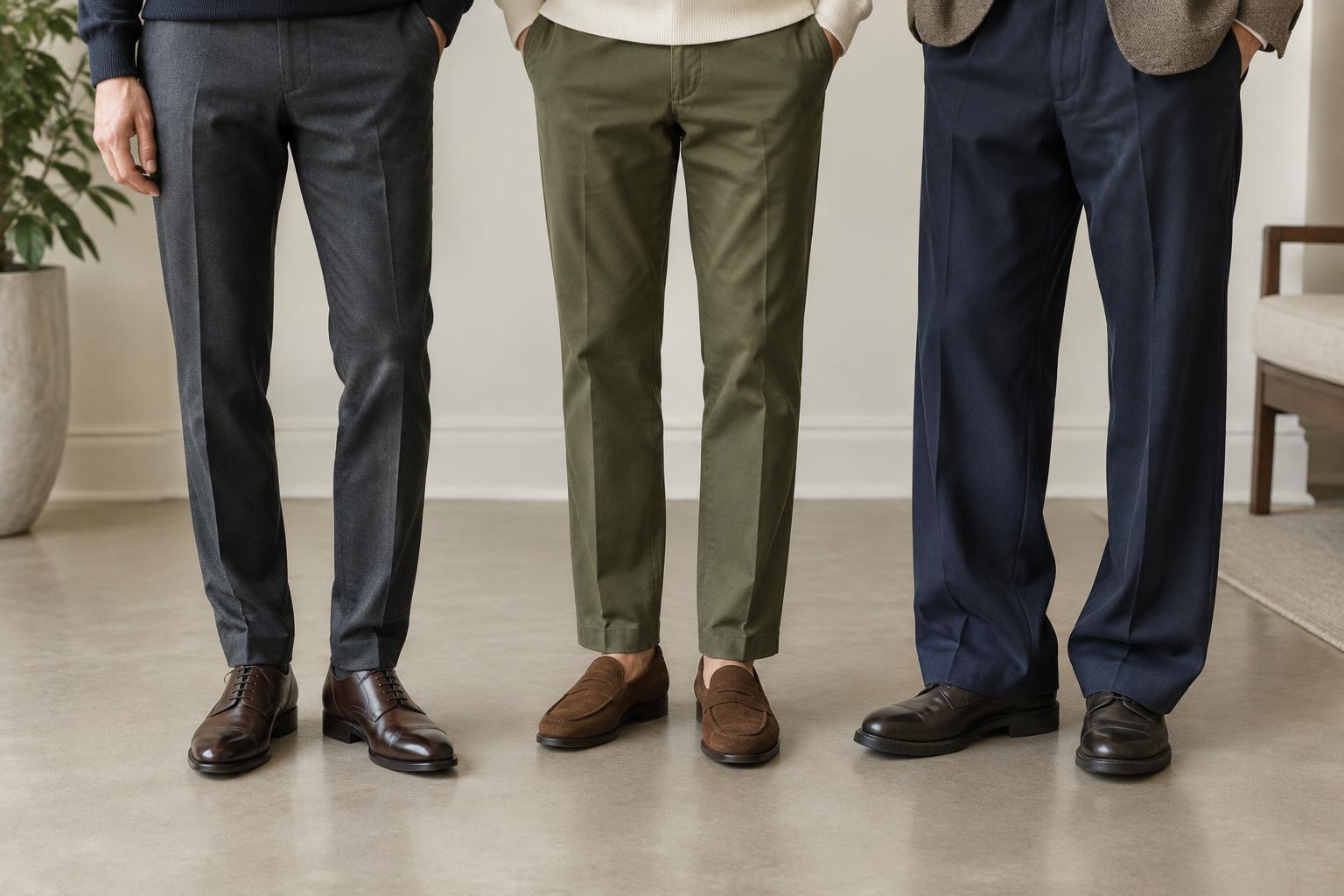
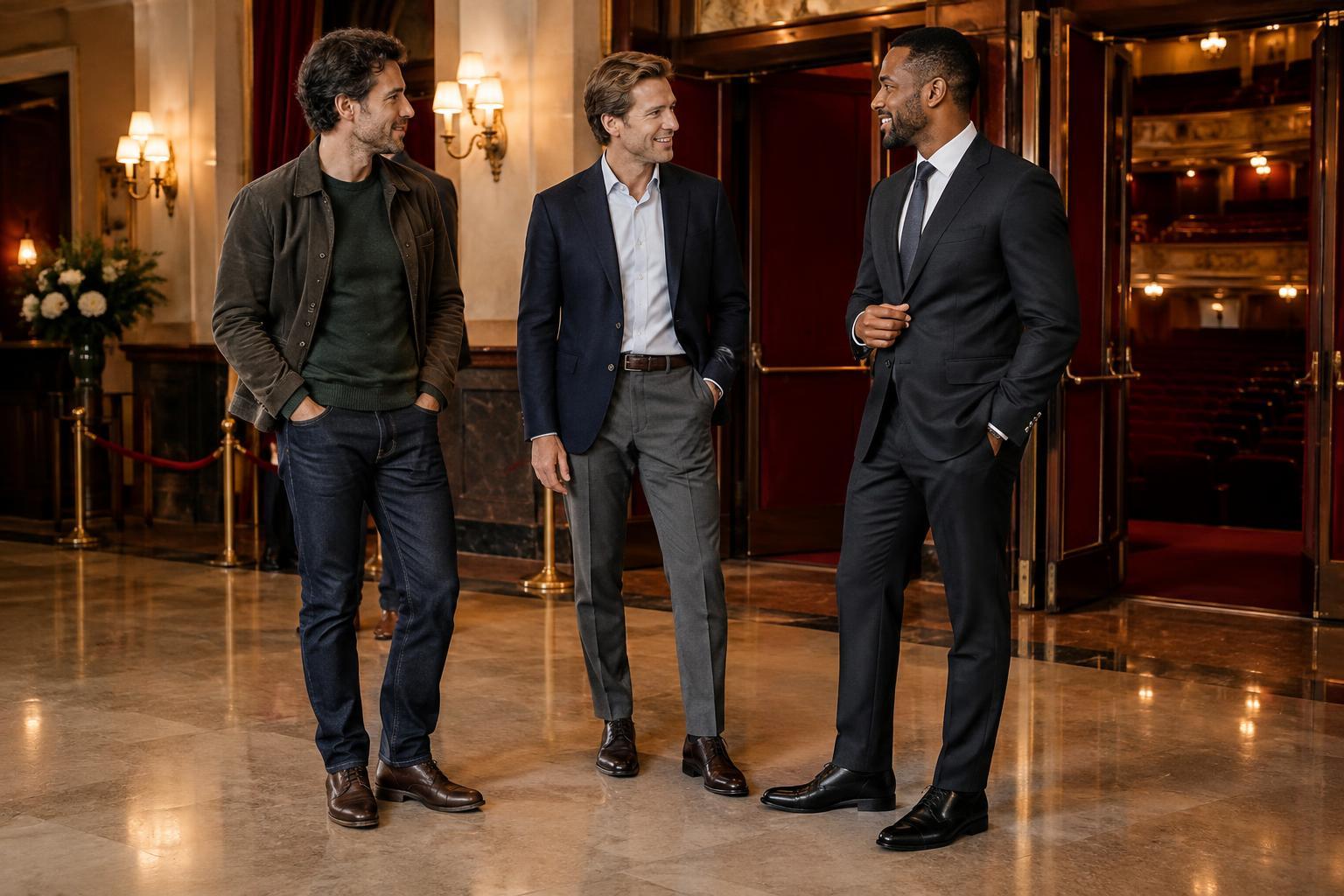
Smart casual adds structure without requiring a full suit. Try chinos or dark, unfaded jeans with a collared shirt, fine-gauge knit or tidy polo. A casual blazer, overshirt or refined jacket can sharpen the look, while loafers, leather boots or understated sneakers may suit the setting. There is no fixed smart-casual uniform. For a dinner at an upscale venue, lean toward trousers and leather shoes; for a relaxed daytime gathering, dark jeans and clean sneakers may be enough.
Business casual and business formal: let the workplace set the range
Business casual generally sits between smart casual and a suit. Chinos or tailored trousers, an Oxford or dress shirt, and loafers or other neat leather shoes make a dependable base. A knit or unstructured blazer adds polish when needed. Some workplaces welcome dark jeans or sneakers; others do not. If you are new to an office or attending a meeting elsewhere, begin at the more polished end and adjust once you understand the norm.
Business formal calls for a suit, usually in a restrained color such as navy or charcoal, with a dress shirt and leather dress shoes. A tie may be expected, particularly for a traditional workplace or important meeting. Fit and upkeep do more work than conspicuous details: the jacket should sit comfortably across the shoulders, trousers should hang cleanly, and shoes should be cared for. If the invitation or employer gives specific requirements, follow those rather than a general rule.
Cocktail attire and semi-formal: dressed up for the event
Cocktail attire usually means a dressier social outfit that stops short of a tuxedo. A dark or mid-tone suit, dress shirt and polished leather shoes are a reliable choice. A tie often works well, though the venue and occasion may leave room to go without one. Keep accessories considered rather than distracting: a belt that suits the shoes and a simple pocket square, if you like one, are enough.
Semi-formal is less precise. In some settings it points toward a suit and tie; in others it overlaps with cocktail attire. A wedding guest should pay particular attention to the invitation, venue and time of day. If there is no further guidance, a well-fitting suit is a safer starting point than separates. Avoid treating “semi-formal” as permission to wear everyday casual clothes, but do not assume it requires a tuxedo.
Black tie, black tie optional and the most formal invitations
Black tie has a specific meaning: a tuxedo or dinner jacket with matching formal trousers, a formal shirt, a black bow tie and appropriate formal shoes. Details vary, but an ordinary dark suit is not the same outfit. If you seldom attend black-tie events, renting can be practical; allow time to check the fit, especially the jacket, trousers and shirt.
Black tie optional gives guests a choice between black tie and a suitably formal dark suit. If you choose the suit, wear it with a dress shirt, conservative tie and polished dress shoes. “Creative black tie” may allow more expression, but it is worth keeping the recognizable black-tie foundation unless the host provides clearer direction. White tie, when explicitly requested, is a separate and more formal code with its own specific garments; seek the exact requirements rather than improvising.
Across every dress code, the final check is the same: can you move comfortably, are the clothes in good condition, and does the outfit respect the host’s request? Those questions will help you make better choices than relying on any label in isolation.