Start with how you dress
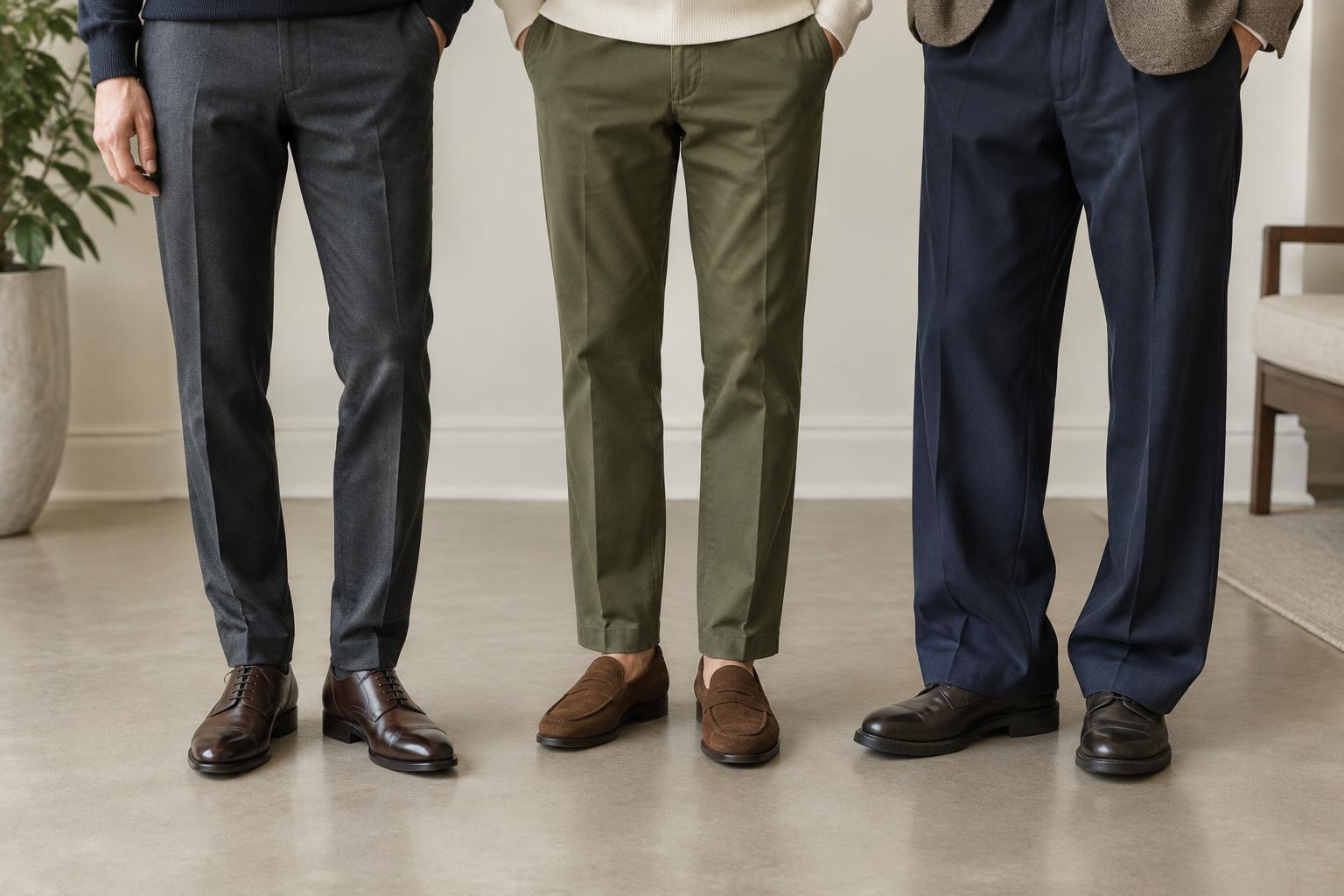
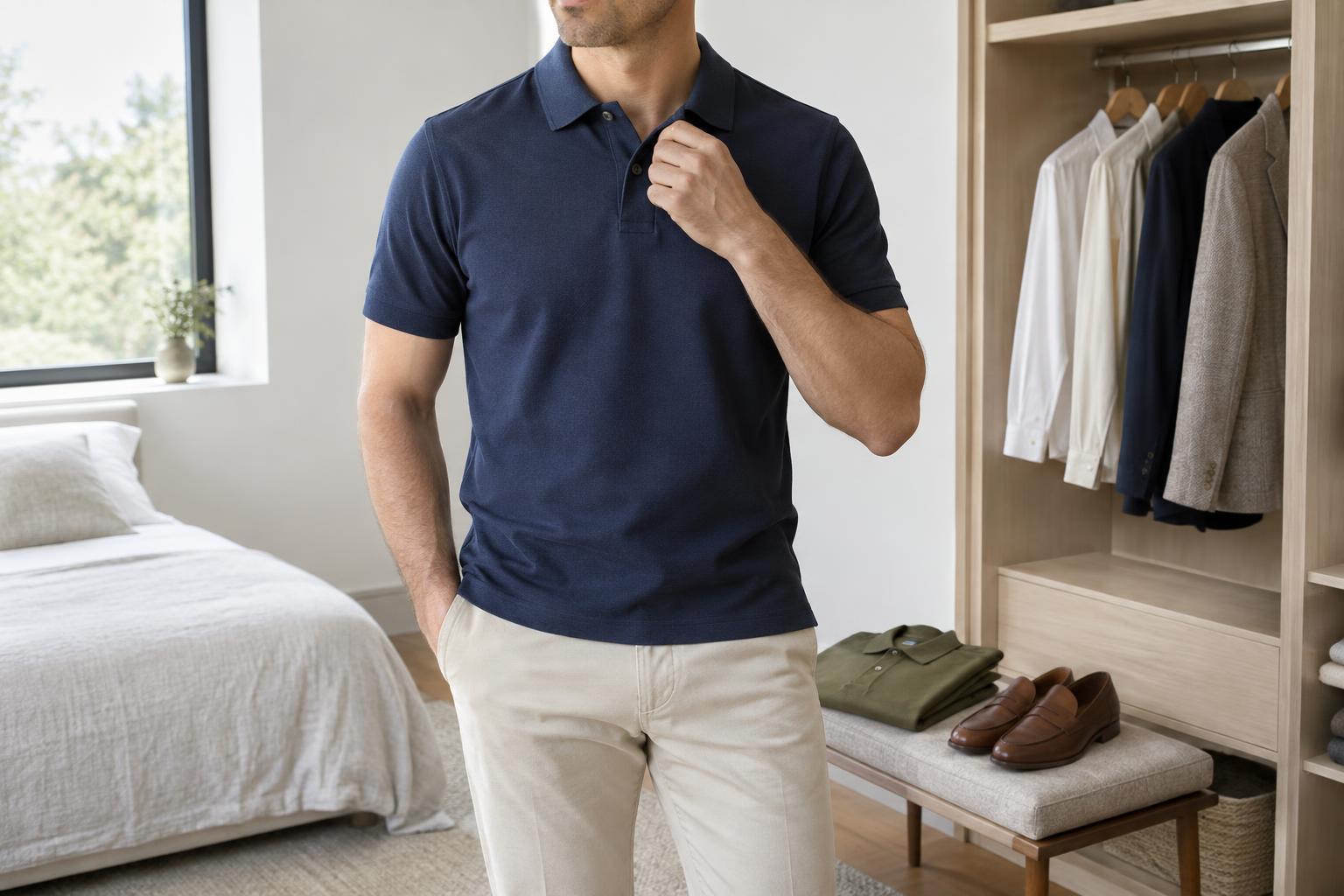
The best boot is not necessarily the most rugged or the most refined. It is the one that works with the trousers, jackets, and settings you encounter most often. Chelsea boots offer a clean silhouette, chukkas feel relaxed without looking sloppy, and lace-up boots range from sleek dress styles to sturdy casual pairs. Before choosing, picture three outfits you already wear. A boot that improves all three is a stronger purchase than one that suits only an imagined occasion.
Color and shape matter as much as the name of the style. Dark brown is easy to pair with denim, chinos, and many tailored separates; black can look especially sharp with darker outfits. A rounded toe and substantial sole read more casual, while a slimmer toe and lower-profile sole look dressier. Aim for a shape that complements the width of your usual trousers rather than fighting it.
Chelsea boots: clean lines with little fuss
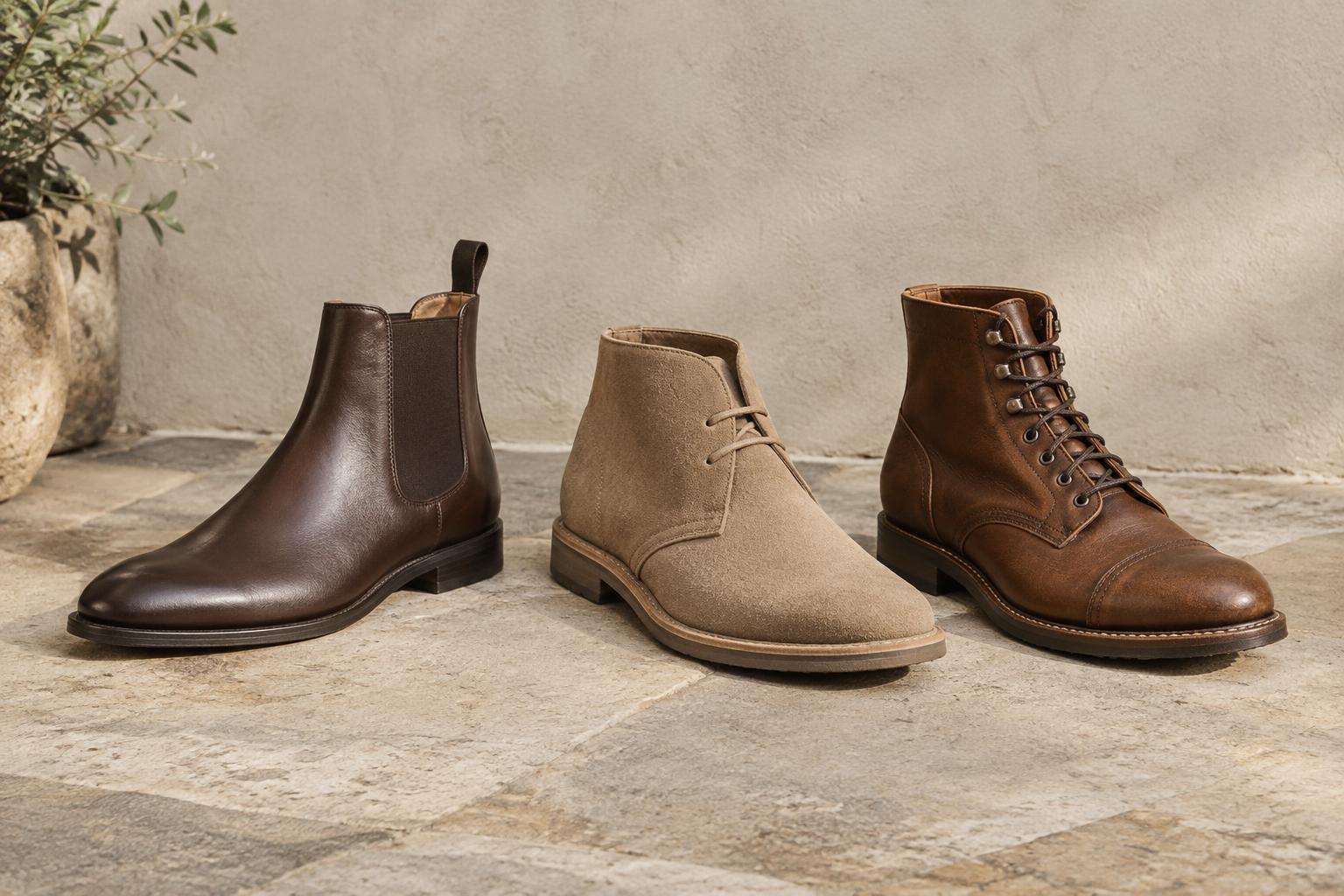
Chelsea boots have elastic side panels and no laces, giving them an uninterrupted profile. That simplicity makes a smooth leather pair useful with wool trousers, dark jeans, and smarter casual outfits. Suede softens the look and often pairs naturally with denim or textured clothing. Because the sides stretch rather than adjust, however, fit is particularly important: the heel should feel secure, and the boot should not squeeze across the instep.
A Chelsea is a good choice when you want one boot that can move between casual and polished settings. Check how the opening sits beneath your trouser hem. A very wide opening may look awkward with narrow trousers, while an extremely narrow shaft can make the boot difficult to pull on. Try the boots with the socks you expect to wear and walk around before deciding that the convenient slip-on design is also comfortable for you.
Chukka boots: an easy middle ground
Chukkas are ankle-height lace-up boots, commonly with two or three pairs of eyelets. Their relatively simple uppers and open lacing give them a less formal feel than many dress boots, but they can look neater than bulky work-inspired footwear. A suede chukka with a restrained sole is an approachable match for chinos, jeans, overshirts, and casual jackets. Smooth leather can look a little sharper, especially in a darker shade.
Pay attention to the sole when deciding where a chukka belongs in your wardrobe. A thin leather or discreet rubber sole keeps the profile refined; a thicker crepe or lug-style sole makes it more casual. Chukkas are often a useful first boot for someone who rarely wears tailoring but wants an alternative to sneakers. They are less convincing for very formal outfits, and a light-colored suede pair may require more attention in wet or muddy conditions.
Lace-up boots: the widest range of options
“Lace-up boot” describes the fastening rather than one level of formality. A plain, slim leather boot can work with tailored trousers, while a heavier boot with prominent hardware and a thick tread is better suited to jeans and sturdy outerwear. Laces give you more control over the fit around the ankle and instep than a Chelsea boot offers. That adjustability can be helpful if slip-on boots tend to feel loose at the heel or tight over the foot.
For everyday versatility, look for a pair that matches the weight of your clothing. Chunky boots can balance straight-leg denim, a substantial knit, and a field jacket; they may overwhelm lightweight trousers. Sleeker lace-ups sit more comfortably with tailored pieces but may not have the grip you want for slippery walks. Decide whether appearance, underfoot traction, or a more adjustable fit matters most, then compare pairs within that narrower category.
Make the final choice by fit and upkeep
Whichever style appeals to you, try both boots on late enough in the day that your feet feel typical, and wear your usual socks. Your toes should have room to move, your heel should not slip excessively, and no seam should create persistent pressure. Leather can soften with wear, but it is unwise to rely on a painful boot becoming comfortable. If you use insoles, check the fit with them in place before buying.
Think about care alongside appearance. Brush dust from suede and use a suitable suede brush to lift flattened areas. Wipe smooth leather clean and condition it when it feels dry, following the product directions. Let damp boots dry away from direct heat, and give frequently worn pairs time to air between uses. For a compact wardrobe, start with the pair that fits well and suits your most common outfits; a second style can fill a specific gap later.